


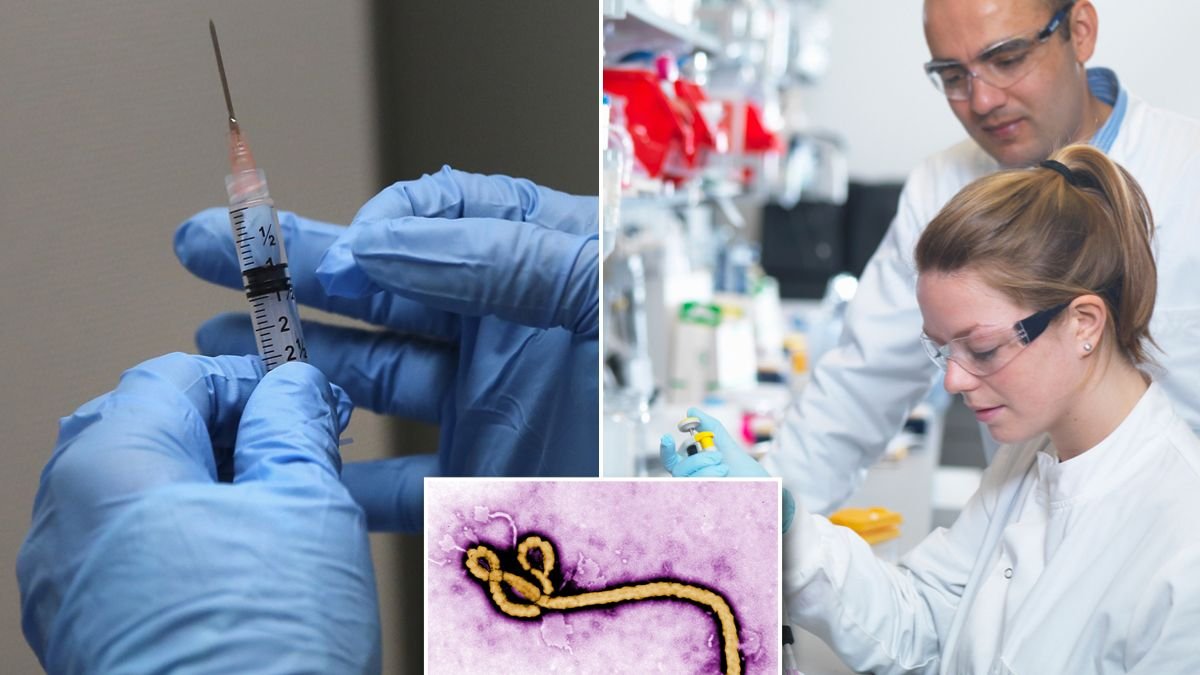

British researchers at Oxford University are commencing a trial for a groundbreaking Ebola vaccine designed to combat the devastating outbreaks in Africa. The vaccine, named ChAdOx1 BDBV, was developed in just eight weeks following a public health emergency declaration in the Democratic Republic of the Congo, where Ebola has claimed the lives of 625 individuals and infected 1,792 people.
Utilizing the same technology as the successful AstraZeneca Covid-19 vaccine, the Oxford team’s new vaccine will undergo safety trials on British volunteers before progressing to testing in African populations. Unlike traditional vaccines that typically take years to develop, this innovative jab marks a significant advancement, becoming the first of four Ebola vaccines in development to enter clinical trials.
The vaccine, utilizing a modified common cold virus that infects chimpanzees, delivers genetic material of the Bundibugyo species to stimulate the immune system’s response to the real virus. With no approved treatments for the current Bundibugyo Ebola outbreak, the new vaccine, produced at the Serum Institute of India, holds promise in addressing the urgent need for effective preventive measures.
Aiming to safeguard communities and halt the escalating outbreak, the rapid development of the Oxford vaccine showcases a critical milestone in epidemic response efforts. The UK’s regulatory agency has greenlit human trials, with volunteers set to be monitored for a year to evaluate safety and immune responses. Researchers are also gearing up for a subsequent trial in Uganda to further assess the vaccine’s efficacy.
While acknowledging potential risks associated with the vaccine, including rare blood clots, experts emphasize the importance of transparent communication and informed consent with volunteers. Dr. Katrina Pollock, the chief investigator at Oxford University, underscores the safety track record of the Covid AstraZeneca vaccine and assures that any risks will be clearly communicated during the trials.
The Oxford team’s swift progress in developing the Ebola vaccine reflects the global urgency to combat infectious diseases and underscores the critical role of scientific innovation in pandemic preparedness and response.