



England is set to clash with Argentina in a World Cup semi-final loaded with historical significance and intense rivalry. The match in Atlanta on Wednesday will be a showdown with deep-rooted footballing emotions spanning over six decades.
Thomas Tuchel’s team will take on the reigning champions in a highly anticipated encounter filled with historical, political, and national pride implications. The tension has escalated as Argentina’s players stoked the flames by singing a provocative song about the Falklands following their advancement to the semi-finals.
Thousands of passionate fans from both sides are converging on Georgia, bringing with them flags, drums, unresolved grievances, and years of animosity. Law enforcement is on high alert for potential clashes that could make this match the most explosive of the tournament. Previous minor altercations between England and Argentina supporters, including one during the quarter-final against Norway in Miami, have heightened concerns.
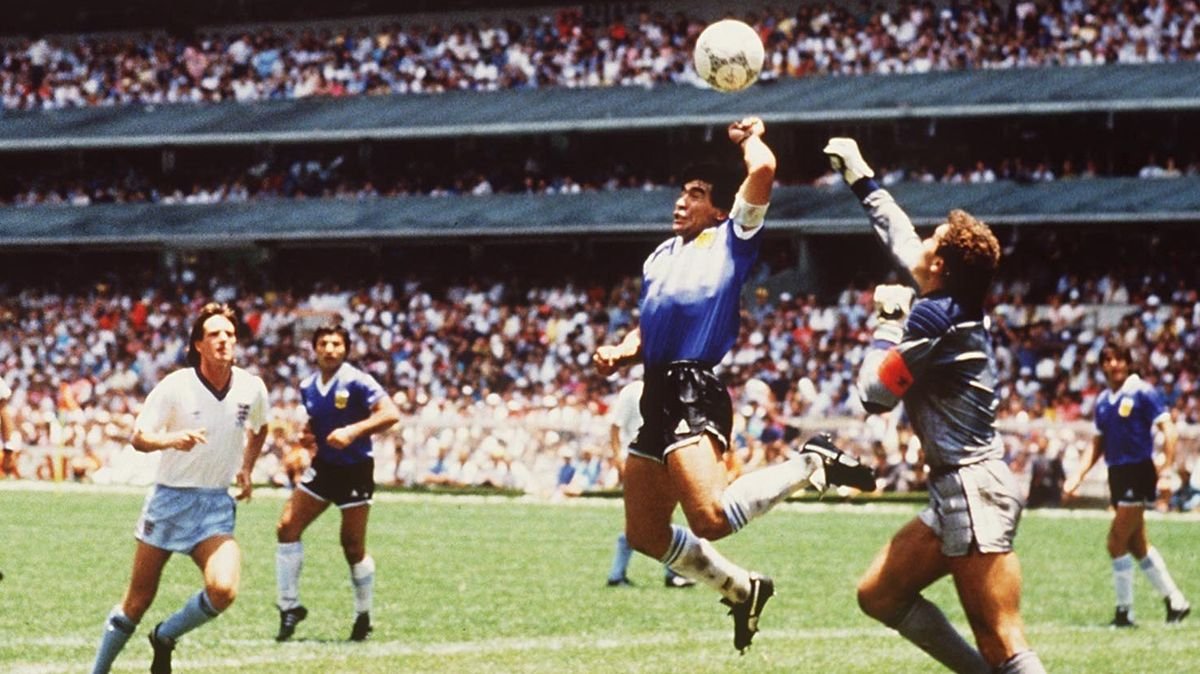
The upcoming match in Atlanta will witness a larger crowd, increased pressure, and heightened hostility. While the focus remains on the 90 minutes of play that will determine a spot in the World Cup final, the shadow of past conflicts such as the Falklands War, Diego Maradona’s Hand of God goal, and David Beckham’s red card looms large over the rivalry between the two nations.
The fixture between England and Argentina holds a unique emotional significance in global football. For Lionel Messi, this represents a final opportunity to overcome a major international opponent that has eluded him in his illustrious career. As the 39-year-old enters what is likely his last World Cup, the football legend aims to make history by facing England in a competitive international match.
While England enters the game fatigued but determined after a narrow victory over Norway, Argentina’s post-quarter-final celebrations have added fuel to the fire. The chanting by Argentine players referencing the Falklands, Maradona, and Messi’s final World Cup has escalated the anticipation for a contentious clash.
In Argentina, the Falklands issue remains a potent nationalist symbol, deeply ingrained in the country’s identity. Despite the majority of Falkland Islanders choosing to remain under British sovereignty, the territorial dispute continues to shape Argentina’s perspective, with football serving as a powerful outlet for national expression.
As the tournament progresses, the chants and sentiments across Latin America have increasingly favored any team playing against Argentina. The slogan “América Latina menos Argentina” (Latin America minus Argentina) has become a rallying cry, reflecting the broader sentiment against Argentina’s dominance in the region.
The tournament has also seen controversies and tensions surrounding Argentina, with allegations of racist behavior by Argentine supporters and political spats further dividing opinions. Despite the complexities and challenges, Argentina has emerged as the most polarizing team in the competition, with many hoping to see a different nation lift the trophy instead of Messi’s side.
The historic rivalry between England and Argentina dates back to confrontations like the infamous incidents at Wembley in 1966 and Mexico City in 1986. Each encounter has added layers to the intense animosity between the two nations, setting the stage for another compelling chapter in their footballing history.
As the teams gear up for the crucial showdown, the players and fans are bracing for a match that transcends mere sport. The clash between England and Argentina is not just about football; it represents a culmination of decades of animosity, pride, and unresolved history that will come to a head on the pitch in Atlanta.