


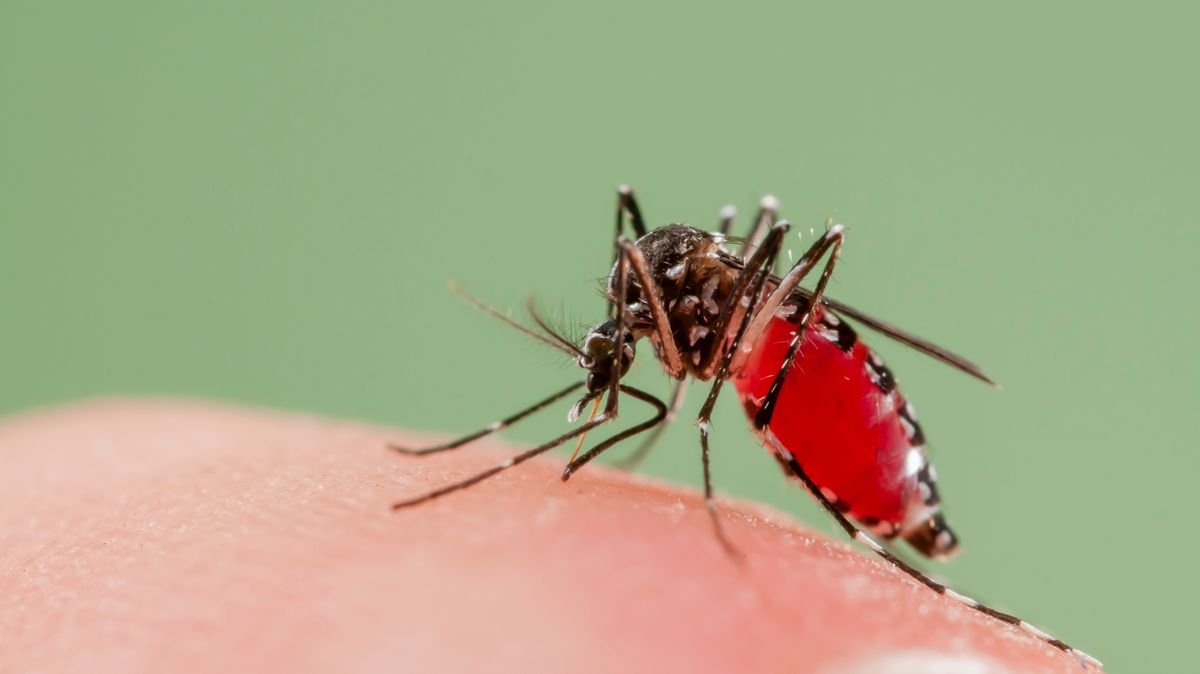

In response to an early and severe Nile virus season in the United States, Washington DC is witnessing the release of hundreds of thousands of mosquitos. These 600,000 male mosquitos are equipped with a sterilizing gut bacteria called Wolbachia, aiming to curb the virus spread without posing a threat to humans as they do not bite.
The strategy involves these mosquitos seeking out biting females for reproduction, but the eggs laid by these females will not hatch, effectively aiding in population control. Health officials in the US are urging the public to use bug spray and other mosquito-control measures due to the heightened risk of the Nile virus this season.
According to the US Centres for Disease Control and Prevention, there have been at least 48 confirmed cases, with 38 classified as severe by June 30. This marks a significant increase compared to previous years, with 23 states reporting cases of the virus—the most in a decade. Many infected individuals may remain asymptomatic or experience mild symptoms like headaches, body aches, and joint pain.
Bee Safe Mosquito Control, based in Maryland, is behind the release of these non-biting male mosquitos in Washington. The initiative aims to render female mosquitos infertile upon mating, thereby halting their ability to hatch eggs. This approach specifically targets the Asian Tiger mosquito, which is known to transmit various diseases such as encephalitis, dengue, and yellow fever.
Similar successful practices have been implemented in South America, Singapore, and Australia to combat mosquito-borne diseases. Bee Safe Mosquito Control assures that the removal of the Asian Tiger mosquito, a non-native invasive species, will not negatively impact the ecosystem. West Nile virus was first identified in the US in 1999 and has since spread across the country, peaking in 2003 with nearly 10,000 reported cases.