


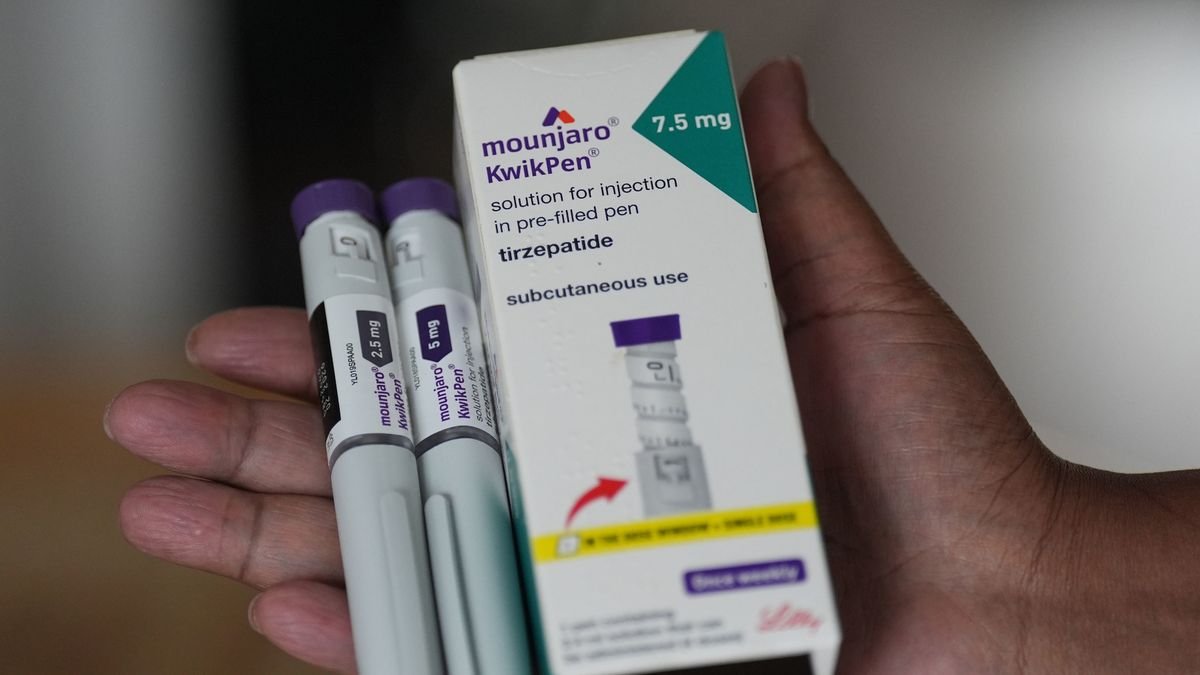

A nationwide trial is set to commence to aid individuals using appetite-suppressing injections in maintaining their weight loss. These injections have gained widespread popularity globally, with over two million Britons using them; however, concerns exist regarding weight regain.
Studies indicate that discontinuing the weekly injections often leads to the re-accumulation of fat without regaining muscle and bone mass lost during the treatment. To address this issue, patients from 94 GP practices nationwide will participate in the trial to evaluate the effectiveness of specialized clinics in helping individuals sustain weight loss.
Effective counseling and support are crucial for individuals to make significant dietary and lifestyle changes necessary for long-term weight management. The limited capacity of the NHS to provide this support has resulted in the drugs being rationed, compelling most users to purchase them privately.
The NHS will evaluate whether community-based support hubs offer a cost-effective solution for prescribing weight loss medications. Users will undergo regular consultations to assess their nutritional health, physical well-being, work engagement, and overall quality of life.
Dr. Helen Parretti, the lead researcher from the University of East Anglia (UEA), emphasized the need for a new care model focused on community-based support clinics. She highlighted the importance of long-term follow-up care for individuals utilizing injectable obesity management medications to prevent weight regain and associated health issues.
The trial, funded by the National Institute for Health and Care Research (NIHR), aims to enable the NHS to provide comprehensive support at scale, potentially expanding the prescription of weight loss drugs to a larger population. The randomized controlled trial, starting in 2028 with 1,000 participants, will assess the effectiveness of the support hubs in aiding weight maintenance over a year.
Dr. Parretti proposed that these hubs, operated by specially trained primary care professionals with support from weight-management teams, will offer personalized care, including regular reviews, blood tests monitoring, nutritional assessments, and self-care guidance.
Previous research by Oxford University revealed that individuals often regain lost weight within a year of discontinuing weight loss injections, emphasizing the necessity of long-term treatment for many users. Furthermore, a study by the University of Copenhagen highlighted that a significant portion of weight lost through injections comprises muscle and bone density, which is not regained once the injections are stopped, posing challenges for weight management and increasing the risk of health issues in the future.
The upcoming trial, led by UEA in collaboration with several universities, aims to provide valuable insights into maintaining weight loss through comprehensive support services, potentially revolutionizing obesity management strategies for better long-term outcomes.