


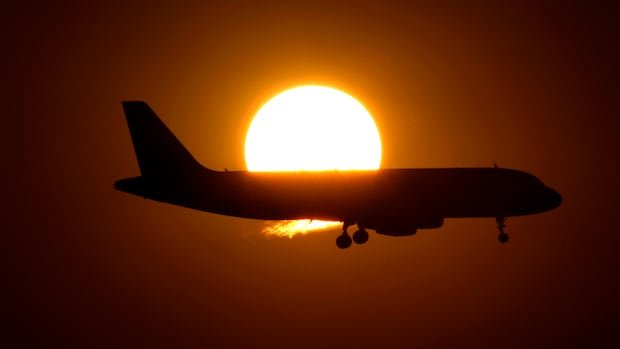

A recent study reveals that flight attendants and pilots face a higher risk of radiation-related cancers compared to individuals working with radioactive materials. Cosmic radiation originating from space, though minimal at Earth’s surface, poses greater exposure risk for those flying at high altitudes.
Research indicates a correlation between frequent flying, especially among pilots and flight attendants, and elevated cancer mortality rates. The study, published by JAMA Internal Medicine, analyzed over 12 million death certificates, focusing on occupations and cancer types linked to radiation exposure.
Among more than 500 occupations studied, flight attendants exhibited the highest percentage of radiation-related cancer deaths, followed by pilots. Both groups showed significantly increased odds of dying from various radiation-related cancers compared to the general working population.
The research challenges the assumption that flight crews’ skin cancer risk stems from sunny layovers, suggesting cockpit environments play a more significant role. Flight attendants had a 50% higher likelihood of dying from radiation-related cancers than the general workforce, while pilots had a 36% higher chance.
The study acknowledges limitations such as the inability to measure specific exposure levels for each individual and potential misclassification of occupations on death certificates. Factors like cosmic radiation, UV-A light, and circadian disruption present methodological challenges in assessing risks accurately.
Furthermore, the impact of disrupted circadian rhythms on cancer risk in these professions cannot be ignored. The Federal Aviation Administration recognizes radiation exposure for aircrews but lacks federal dose limits or monitoring requirements.
The report emphasizes the importance of addressing radiation exposure risks for flight personnel and suggests proactive measures like regular skin examinations and additional screenings for high-risk individuals. Flight crews’ healthcare providers should maintain a heightened awareness of potential cancer risks when caring for these individuals.