


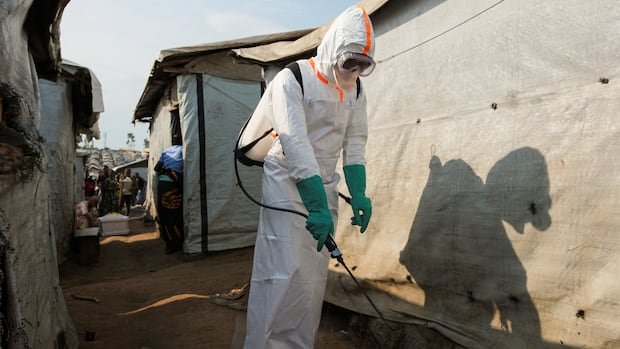

The Ebola outbreak in the Democratic Republic of Congo has now reached a grim milestone, becoming the deadliest in the country’s history. With a rising number of confirmed cases causing global concern, the death toll has surpassed 2,300 as of August 16, according to the country’s public health ministry.
Described by Tedros Adhanom Ghebreyesus, the head of the World Health Organization (WHO), as the second-largest Ebola outbreak ever recorded, the current situation is unprecedented in its speed of transmission. Despite efforts to contain the epidemic, the WHO warns that the outbreak is far from being under control, emphasizing the urgent need for intervention.
Ebola, a severe disease associated with orthoebolaviruses, includes various strains affecting humans, such as Zaire, Sudan, Taï Forest, and Bundibugyo. The current outbreak in the D.R.C. marks the 17th occurrence of the Bundibugyo strain. Transmission occurs through close contact with infected animals like fruit bats or chimpanzees and can spread among humans through bodily fluids.
Originating in May, the outbreak is concentrated in eastern D.R.C. near the borders with South Sudan and Uganda. While Uganda has declared itself Ebola-free, the D.R.C. continues to battle the escalating crisis. The first suspected case was reported in April, involving a health worker who later succumbed to the disease in Bunia, Ituri province.
The rapid spread of Ebola in the current outbreak surpasses previous incidents, with over 5,000 cases reported in the D.R.C. by August 16. The epidemic has affected six provinces, predominantly impacting Ituri with a high case fatality rate. Challenges in response efforts include the absence of a vaccine for the Bundibugyo strain, armed conflicts, displacement, cross-border movements, and limited resources.
To combat the outbreak, enhanced testing, contact tracing, safe burials, and isolation measures are crucial. The WHO is intensifying its response, deploying additional personnel and resources while engaging local communities. Collaboration and financial support from countries like Canada are essential to strengthen the response and prevent further escalation of the crisis.
The urgency to control the outbreak at its source is emphasized by experts, highlighting the need for sustained efforts to contain the spread and mitigate the devastating impact of the Ebola epidemic.