


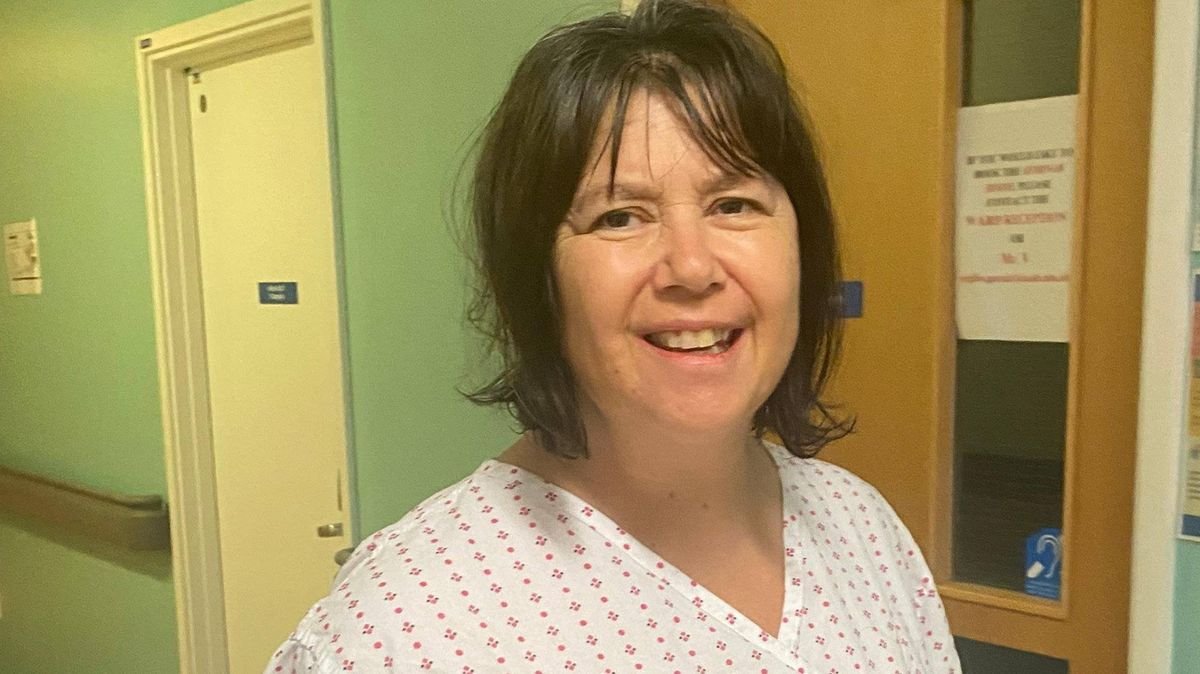

A woman’s speech issues, initially attributed to menopausal symptoms, turned out to be a warning sign of a grave brain cancer diagnosis. Michelle Dilger, aged 52, was given a year to live after being diagnosed with glioblastoma. Despite doctors dismissing her symptoms, a gynaecologist’s intervention led to the discovery of the cancer through an emergency scan at John Radcliffe Hospital in Oxford.
Eight years later, Michelle, now 60, has defied the odds and inspired her son, Jack Dilger, to support cancer research. Jack, 29, pledged to donate a portion of sales from his sports performance brand, Cramp Killa, to Brain Tumour Research. Motivated by his mother’s battle, Jack aims to contribute to improving treatments for glioblastoma.
Jack, a marketing student when his mother fell ill, emphasized her intelligence and attention to detail, highlighting the stark change in her speech that hinted at an underlying issue. After numerous misdiagnoses, including menopause and anxiety, a routine appointment led to the shocking discovery of the brain tumour.
The experience drove Jack to create a brand with a purpose beyond sports performance, aiming to fund brain tumour research with every Cramp Killa sale. He draws inspiration from his swimmer friend Archie Goodburn, who overcame brain tumours to qualify for the Commonwealth Games.
Brain tumours, claiming more lives in younger age groups than other cancers, receive minimal research funding. Jack hopes to rally the endurance sports community to support brain tumour research through Cramp Killa sales. The partnership with Brain Tumour Research aims to accelerate discoveries for smarter treatments, with CEO Dan Knowles emphasizing the urgent need for increased research investment.