


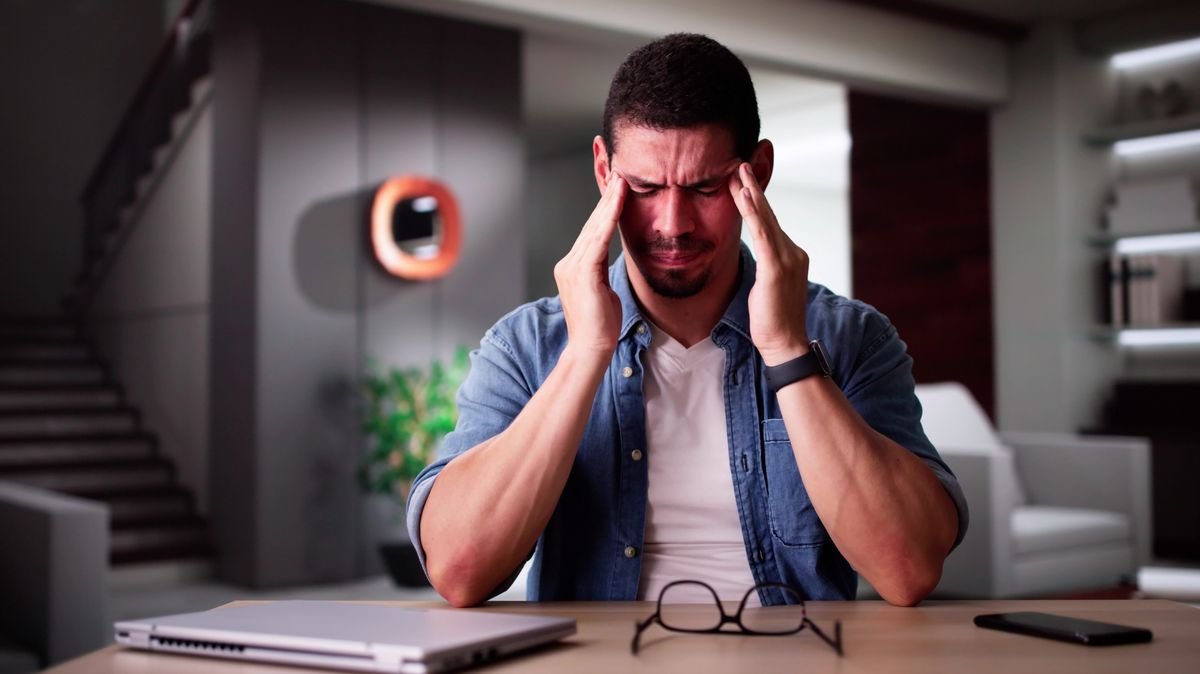

High blood pressure, often referred to as the ‘silent killer’, is characterized by a lack of noticeable symptoms until it progresses to a severe stage. If left untreated, it can increase the risk of various serious conditions such as heart attacks, strokes, kidney disease, and vascular dementia.
Damien, an advanced nurse practitioner, highlighted five warning signs on TikTok (@Anpdamo) that indicate high blood pressure may be impacting your health. These symptoms should prompt a conversation with a healthcare professional for proper diagnosis and consideration of treatment options.
According to Damien, high blood pressure often goes unnoticed as most individuals affected by it feel perfectly fine. Approximately one in three adults in the UK have high blood pressure without being aware of it. Waking up with persistent headaches could be an early indicator that should not be disregarded.
Additional symptoms to watch for, as suggested by Damien and reported by the Express, include blurred vision, seeing spots, or experiencing unusual changes in eyesight. These symptoms may be related to pressure changes affecting the tiny blood vessels in the eyes.
Feeling short of breath during activities that are normally not strenuous could also be a red flag. This could indicate that the heart is working harder than it should, which warrants attention. While nosebleeds on their own are usually minor, frequent or heavy nosebleeds when combined with other symptoms should not be overlooked.
Damien emphasized that feeling anxious or restless, which is often overlooked as a symptom, can also be a sign of high blood pressure. People aged 40 and above can avail free blood pressure checks at many pharmacies or visit a GP surgery if they suspect they might have or be at risk of developing high blood pressure.
A ‘normal’ blood pressure reading is typically at or below 120/80. Seeking professional advice after a blood pressure check can help in understanding the results and determining necessary steps to manage the condition. Remember, it is crucial to get your blood pressure checked to confirm any suspicions, as the condition may not present obvious symptoms.
Managing high blood pressure can involve medication and lifestyle adjustments, including dietary changes. The NHS recommends engaging in at least 150 minutes of exercise per week to lower the risk of hypertension.