


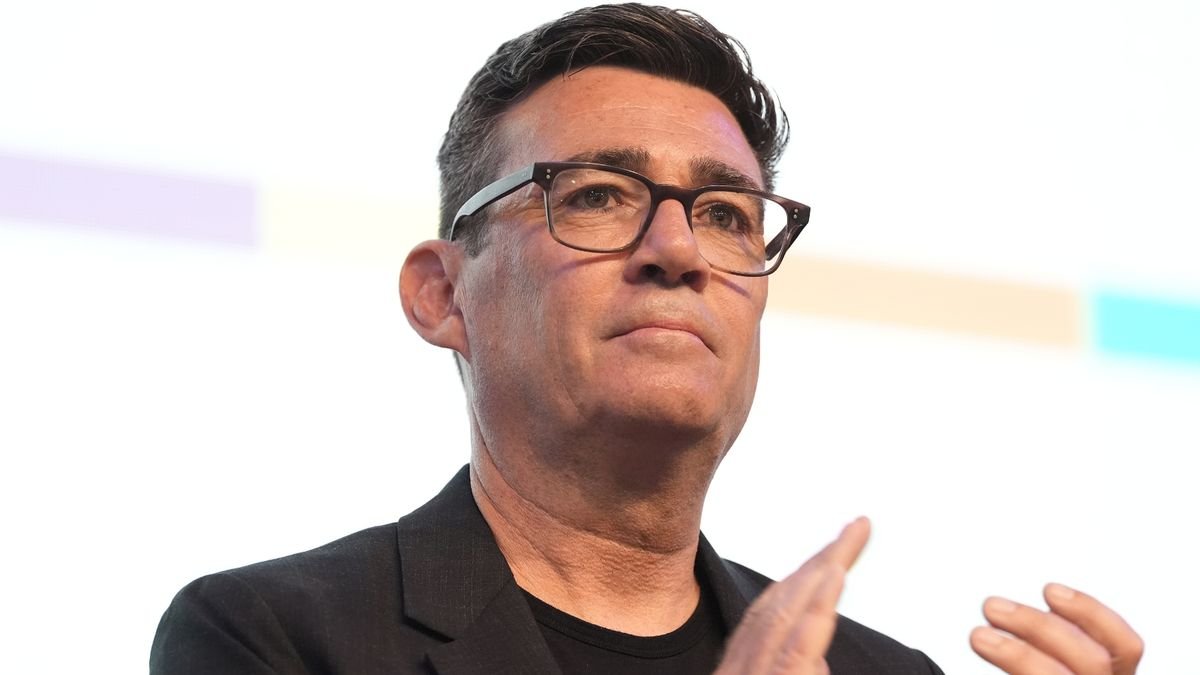

Andy Burnham’s potential Chancellor is under pressure to overturn a decision that froze the threshold for student loan repayments. Members of Parliament have cautioned against the move, expressing concerns about the impact on young graduates’ incomes.
Rachel Reeves, who introduced the three-year freeze on the repayment threshold in the previous Budget, faced criticism from the influential Commons Treasury committee. Graduates who borrowed between September 2012 and July 2023 are required to repay 9% of their earnings over £29,385.
However, the threshold freeze from 2027 to 2030, instead of annual adjustments based on earnings as initially promised in 2010, has raised alarms. The National Union of Students (NUS) likened the government’s actions to those of a “loan shark,” accusing politicians of burdening students with substantial debts that can be altered arbitrarily.
The committee urged Reeves’s successor to reverse the decision and uphold the original terms and conditions of the loans offered to students. With Andy Burnham anticipated to take over as Prime Minister on July 20, names like Ed Miliband and Shabana Mahmood are being considered for the role of Chancellor. Burnham is reportedly inclined to alleviate the student loan burden.
The Treasury committee’s report criticized the government for shifting fiscal responsibilities onto younger generations while hoping that the implications would go unnoticed for years. It highlighted the government’s exploitation of loopholes in consumer protection laws concerning student loans, preventing accountability for mis-selling practices.
Instances of mis-selling were cited, including misleading information in Department for Education (DfE) materials that failed to disclose the government’s ability to retroactively alter loan terms. The committee also pointed out inaccuracies in promotional materials that compared student loan repayments to monthly expenses like mobile phone bills, particularly for higher earners.
Dame Meg Hillier, Chair of the Treasury Committee, emphasized the urgency for the government to address the flaws in the student loan system, acknowledging the widespread acknowledgment of its unfairness. NUS’s Vice President of higher education, Lewis Wilson, emphasized the need for immediate reforms, urging a new Labour administration to prioritize adjustments to the repayment threshold and rates in the upcoming budget.
The government’s recent decision to cap interest rates at 6% from September aims to shield graduates from inflation during uncertain times. Many graduates have struggled with loan balances either increasing or remaining stagnant due to inflation, exacerbated by previous freezes on the repayment threshold imposed by Tory administrations.
For quick access to news updates, consider selecting Daily Mirror as a ‘Preferred Source’ on Google News.