


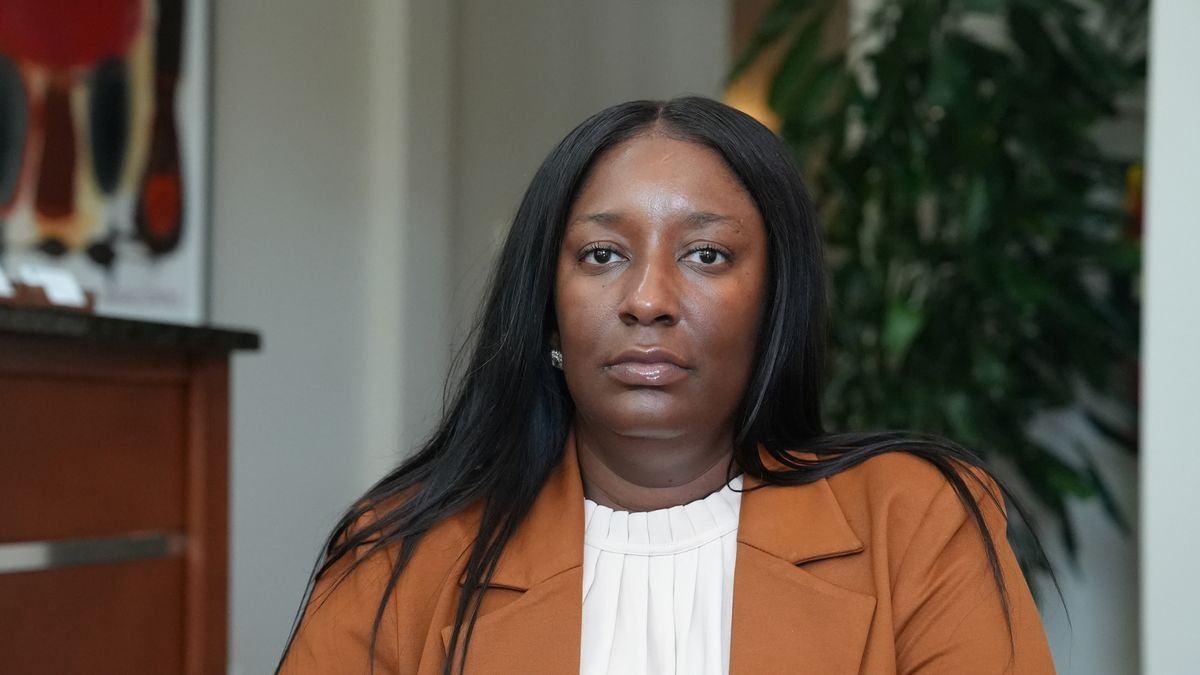

A woman endured months of distress believing she had a severe form of cancer, causing significant emotional strain on herself and her sons.
Cassandra Barksdale claims she received an incorrect cancer diagnosis, leading to an unnecessary hysterectomy due to a mistake by Kaiser Permanente. Her legal representatives initiated a lawsuit against the healthcare provider, stating that the error resulted in the surgery and prolonged suffering.
As per the legal filing, a different patient’s tissue sample was erroneously identified as belonging to Barksdale. Consequently, she underwent a full hysterectomy on May 15, 2025, at the age of 43 and was informed that she would require chemotherapy.
The circumstances surrounding the mix-up remain unclear. In September, Barksdale was notified that a genetic analysis revealed the tissue sample indicating an aggressive type of endometrial uterine cancer actually belonged to another patient and not to her.
Shannan Young, Barksdale’s attorney, emphasized that she sought answers at Kaiser Permanente but was given a misdiagnosis that led to subsequent actions being based on inaccurate information.
Seeking treatment for heavy bleeding and fibroids, noncancerous growths in and around the uterus, Barksdale visited Kaiser Permanente Southwood Medical Center in Jonesboro, Georgia, in early 2025. She underwent a biopsy on March 10, 2025.
Following the biopsy results on March 17, 2025, Barksdale lived under the belief of having a severe cancer type for months, causing profound emotional distress for herself and her sons.
Kaiser Permanente representatives expressed regret over the situation, acknowledging that Ms. Barksdale should not have endured such an ordeal. They assured that measures were promptly taken to prevent a recurrence and committed to addressing the matter with fairness and accountability.
Due to privacy regulations, details about the other patient involved in the mix-up, including any impact on her cancer treatment, are not publicly disclosed.
To enhance accuracy and prevent errors, laboratories have adopted various best practices such as implementing barcode systems for specimen labeling and utilizing point-of-care testing.
The lawsuit filed in Georgia seeks unspecified damages. Shannan Young emphasized that while no amount of compensation can fully restore Barksdale’s health or erase her suffering, accountability for negligence requires more than mere apologies.