


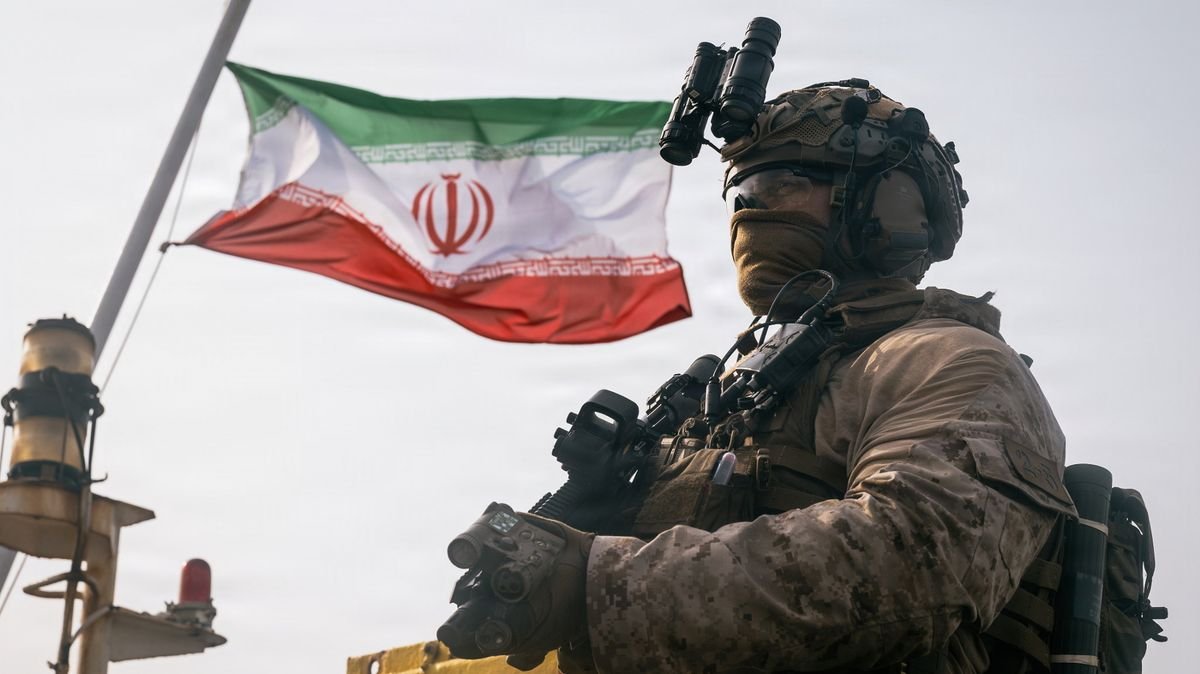

American forces have continued to strike Iranian targets for a sixth consecutive night, resulting in the deaths of at least eight individuals and injuring 20 more, bringing the total casualties to nearly 40. Following the breakdown of the memorandum of understanding that temporarily halted the conflict, over 400 Iranians have been wounded in missile exchanges. The recent US airstrikes have shifted focus to civilian infrastructure, such as bridges, airports, power facilities, and a train station.
One of the heavily impacted targets in the US air strikes is Iran’s Eagle airbase in southern Iran, designed to safeguard Tehran’s airforce. The attacks have caused significant damage to aircraft and infrastructure, with bombs penetrating reinforced roofs. The US military presence in the Middle East has been reinforced with approximately 300 warplanes ready to engage in operations against Iran.
Reports indicate that the total number of US bombs dropped on Iranian soil has surpassed 13,000. In retaliation, Iran has launched missiles at US assets in several countries, including Bahrain, Kuwait, Jordan, and Qatar, resulting in injuries and damage. Tehran has reiterated its stance that the Strait of Hormuz will not revert to its pre-war state, prompting the US to intensify its blockade of ships to and from Iran.
In response to the US attacks, Iran’s Islamic Revolutionary Guard Corps (IRGC) has issued a warning, threatening severe consequences for nations hosting US military bases if the assaults persist. The IRGC emphasized that targeting civilians and civilian infrastructure will incur a high cost for the aggressors.
Furthermore, Iran has targeted the infrastructure of its Gulf neighbors, aiming to exert pressure on the US. In a recent strike, Iranian forces damaged a Kuwaiti power and desalination plant critical for supplying drinking water to the region. Efforts are underway to assess the damage and restore operations at the affected facility. The situation has been compounded by renewed threats from the Yemeni Houthis, an influential Iranian proxy group.
Recent intelligence suggests that the Shia Houthis have aligned with the Sunni al-Shabab terror group in Somalia, setting aside their theological differences to collaborate. Iran has encouraged this alliance to potentially block the Bab el-Mandab Strait, a strategic waterway between Djibouti and Yemen. There are indications that Iranian-backed drone technology has been provided to al-Shabab to support any blockade efforts as directed by Tehran.