


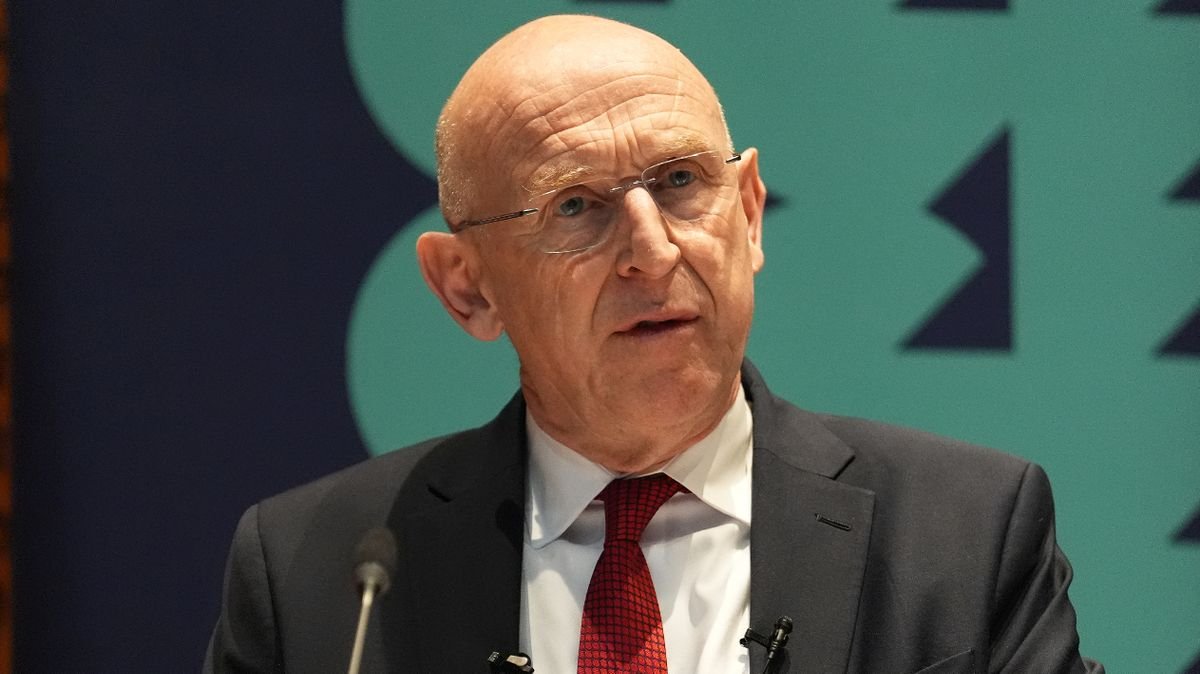

The recent resignation of John Healey as defense secretary has highlighted the ongoing struggle to adequately bolster British defense capabilities. Healey’s decision to step down comes after months of consultation with defense leaders, who have emphasized the urgent need for the UK to enhance its defense posture against various threats. The shift in focus is crucial, moving away from merely engaging in overseas conflicts to strengthening the nation’s ability to protect itself.
Concerns have been raised about the reliability of traditional allies like the US, prompting a call for increased resources to bolster British defense. Despite the current annual defense spending of £70 billion, experts suggest that a substantial increase to at least £36 billion is necessary to address the evolving security landscape. Healey’s departure underscores the dissatisfaction within the defense sector, echoing potential concerns expressed by military leaders.
Reports indicate that fresh defense plans may allocate an additional £13 billion to the military, falling at the lower end of the proposed £18 billion range. The anticipated announcement of the long-awaited Defense Investment Plan remains uncertain, but Healey’s resignation signals a perceived inadequacy in the forthcoming allocation. The distinction between discretionary military engagements and essential defense operations has become increasingly significant in light of evolving threats, as exemplified by recent developments in countries like Ukraine.
The evolving nature of warfare, particularly demonstrated by the rapid advancement of military capabilities in regions like Ukraine, underscores the need for a modernized defense strategy. The UK’s military capacity, currently comprising around 70,000 army soldiers and a limited number of Royal Marines, may require significant enhancements to effectively counter emerging threats. The shift towards defensive preparedness is crucial, especially in light of potential gray zone attacks and asymmetric warfare scenarios.
As the geopolitical landscape continues to evolve, defense experts emphasize the importance of adapting to new challenges, such as potential provocations from adversaries like Russia. The need for a robust defense system, including advanced missile defense capabilities and strategic deployments of naval assets, remains a key priority for safeguarding the UK’s security interests. Healey’s dedication to enhancing national security within resource constraints has been commendable, reflecting a commitment to ensuring the safety and readiness of the UK’s Armed Forces.
The departure of a seasoned defense official like Healey has reverberated throughout the UK military establishment, underscoring the critical need for sustained investment and strategic planning to safeguard national interests. The ongoing efforts to fortify the nation’s defense capabilities will require a comprehensive approach, balancing resource allocation with operational readiness to effectively mitigate potential threats and uphold the UK’s security posture.