


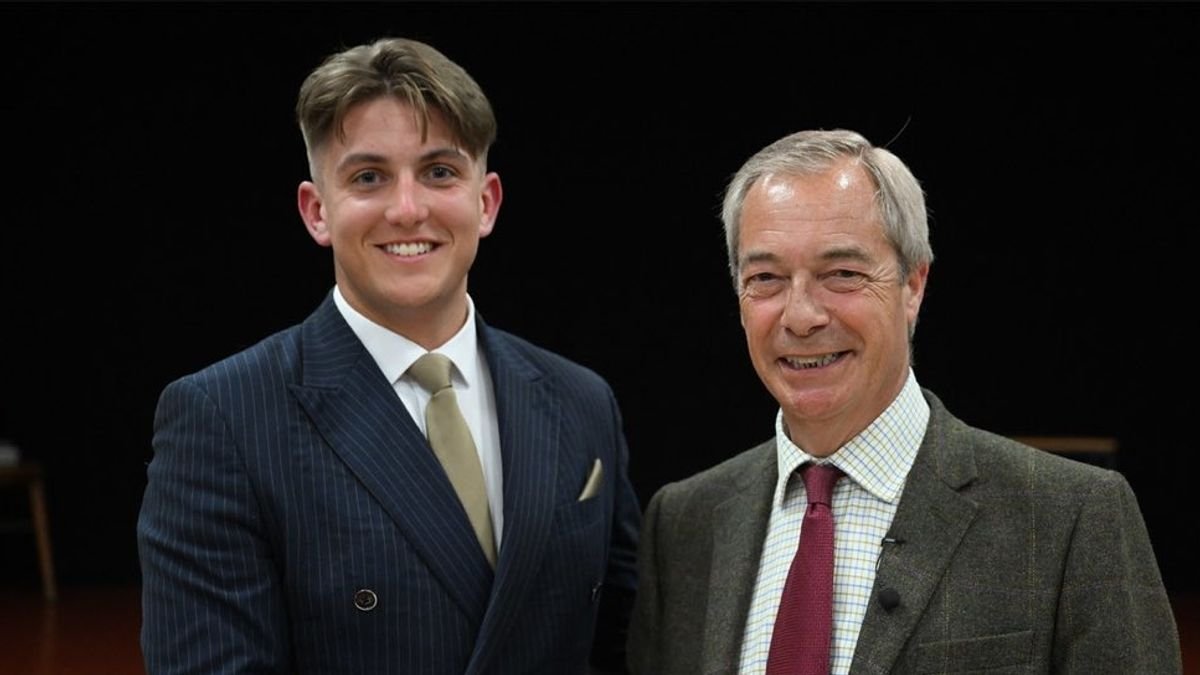

Reform UK’s George Finch, the youngest council leader in Britain, is under investigation for advocating the removal of books that contain “contested gender ideology” from libraries. Finch stated that libraries should not promote political ideologies that are divisive and should not present them as undisputed facts to children. The Warwickshire County Council leader received complaints from residents about certain children’s books, prompting him to consider implementing a new policy.
Warwickshire Pride filed a formal code of conduct complaint against Finch, asserting that his remarks further marginalized members of the LGBTQ+ community. The organization criticized the notion that acknowledging LGBTQ+ individuals in books undermines neutrality, deeming it misleading and risky.
In response, Reform councillor Mike Bannister clarified that there was no evidence of library staff endorsing specific literature. He assured that the new policy would be collaboratively discussed with the libraries team. Finch clarified in an interview that his concerns were primarily about books addressing transgender issues, not sexuality.
The complaint from Warwickshire Pride follows a previous incident where Finch breached the code of conduct by commenting on a child rape case. He has the opportunity to challenge this ruling, which is currently ongoing. In a separate incident, library staff in Essex, managed by Reform, were instructed not to promote events like Pride and Black History Month, although no books were slated for removal.
Finch, aligning with his Reform colleagues in Essex, emphasized the need for libraries to remain politically impartial and family-friendly. He advocated for a comprehensive policy that ensures information on sensitive topics is presented in a responsible and age-appropriate manner. The council aims to extend this policy beyond libraries to all public spaces owned by the council.
Warwickshire Pride criticized the treatment of LGBTQ+ identities as political ideologies rather than personal realities. The organization emphasized the importance of libraries as spaces for learning and understanding, rejecting any attempts at political censorship. They also highlighted a pattern of rhetoric from Finch and urged the council to prioritize inclusion and equal access to information for all residents.
The local Liberal Democrat group expressed concern over Finch’s statements and supported Warwickshire Pride’s stance. They emphasized the autonomy of libraries in selecting materials and criticized any attempts at censorship by council members. Councillor Sarah Boad asserted their commitment to progress and inclusivity in Warwickshire.
Labour MP Rachel Taylor condemned Finch’s actions, likening them to the censorship under Section 28, a historical law restricting the promotion of homosexuality in schools and councils. Taylor urged Finch to focus on delivering improved services for Warwickshire residents instead of promoting divisive policies. Section 28 was in effect from 1988 until 2003, prohibiting the promotion of homosexuality in educational settings.