


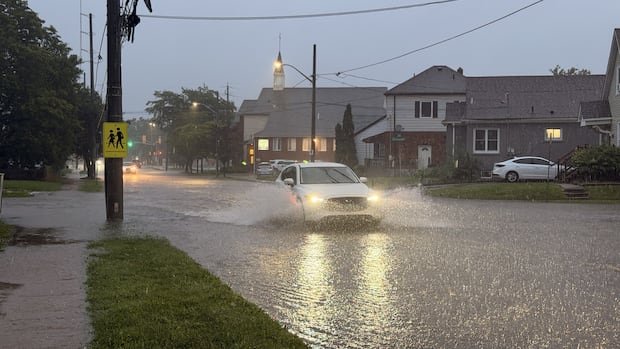

Residents in St. Catharines, Ontario, are still coping with the aftermath of recent severe flooding. The city experienced three major storm events within a short period, causing significant damage to homes and properties. Mayor Mat Siscoe described these storms as the largest ever seen in the city over an 11 to 12-day span. The stormwater system managed the first storm well, but subsequent storms overwhelmed the system due to saturated ground, leading to widespread flooding and sewer backups, including sewage entering homes.
One local farmer, Dave White of White Orchard Farms, strategically harvested his garlic crop before the floods to avoid losses. White, who also runs a restoration company, has been inundated with calls from homeowners dealing with flooding issues. The repeated flooding has left many feeling overwhelmed and in need of assistance.
The aging sewage infrastructure in St. Catharines, some of which is over 150 years old, struggled to handle the recent storms. Only about 30% of the city has separate stormwater infrastructure, leading to challenges in managing excessive water flow. While the city has increased spending on sewer systems in recent years, a complete overhaul would require significant investment and time, with a shortage of contractors and workers further complicating the situation.
The recent storms exceeded the design capacity of the region’s drainage infrastructure, with some areas receiving rainfall that surpassed the levels used for infrastructure planning. The city and region’s water and wastewater treatment plants were strained by the unprecedented volume of water, leading to bypass states in some cases.
To address future flood risks, St. Catharines is exploring ways to enhance its flood resilience, including redesigning parks to absorb excess rainwater temporarily. The city is also considering changes to its development process to ensure new projects can manage stormwater effectively. However, funding remains a challenge, with the mayor calling for additional support from provincial and federal sources to undertake the necessary infrastructure upgrades.
Efforts to improve St. Catharines’ infrastructure and mitigate flood risks will be a long-term endeavor, requiring collaboration and sustained investment to protect the city and its residents from future flooding events.