


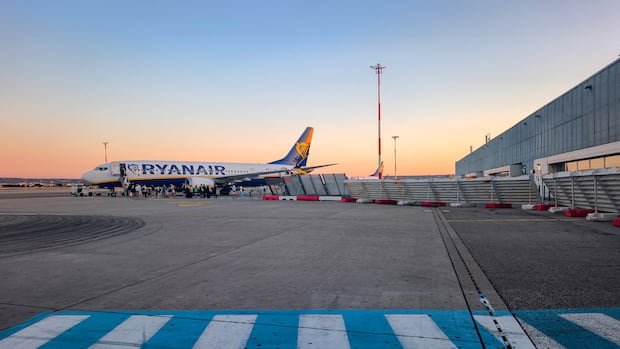

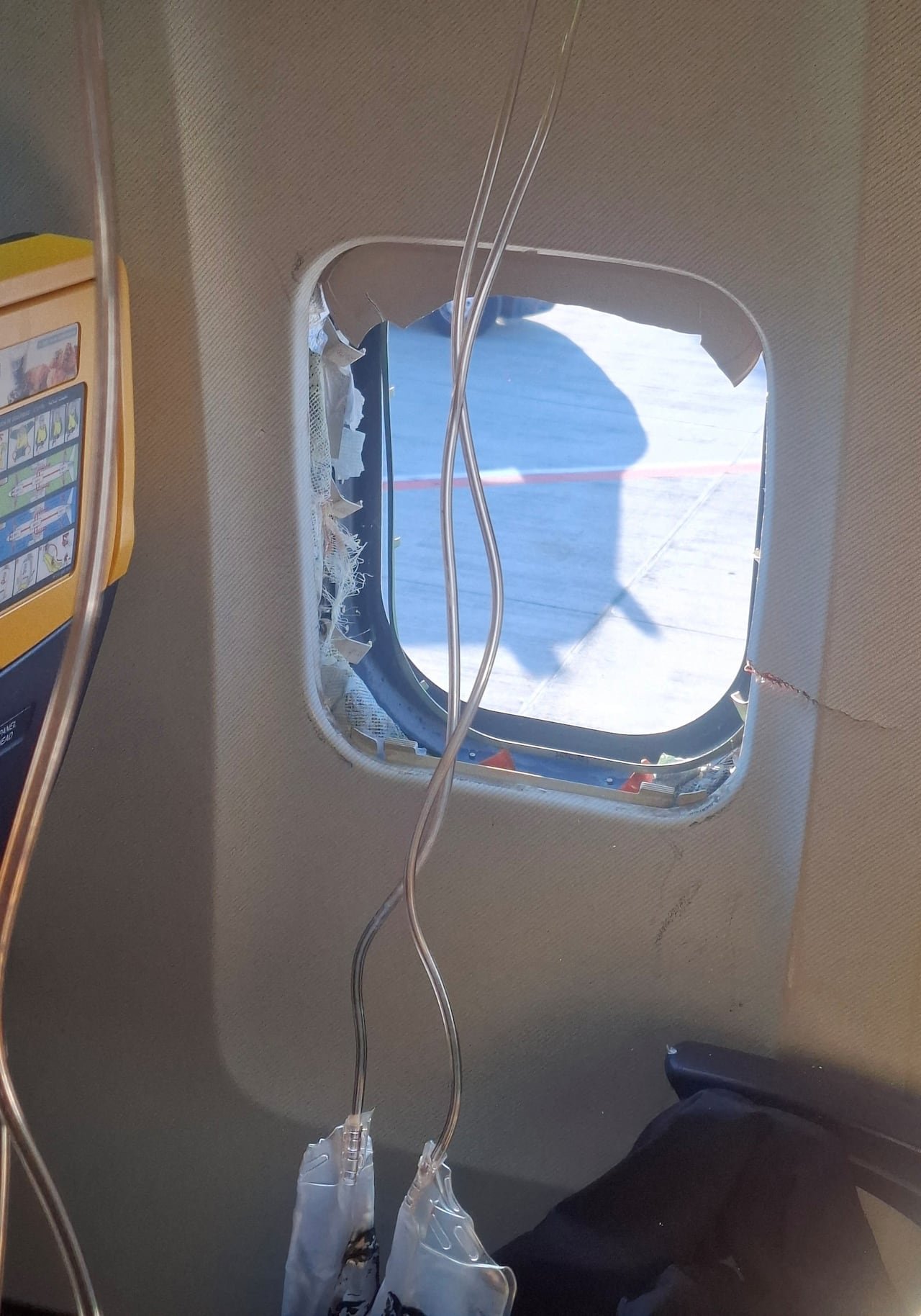
A Ryanair aircraft experienced a terrifying incident in Greece last month when a broken fan blade from the right engine shattered a window shortly after takeoff. This caused a man’s head to be pulled towards the opening before fellow passengers managed to rescue him back inside the plane, as revealed by U.S. investigators on Thursday.
The debris from the engine damaged the fuselage in multiple areas, with bird remains found inside the engine indicating a possible bird strike during takeoff. The incident occurred on July 10 after the flight departed from Thessaloniki, Greece.
The 61-year-old passenger involved suffered neck and shoulder injuries and friction burns. The flight attendants reported hearing loud vibrations, seeing smoke or fog in the cabin, and witnessing the deployment of emergency oxygen masks.
Prompt actions by passengers, including using a metal box to block the damaged window, helped mitigate the situation until the plane could safely land.
According to maintenance records, the fan blades had undergone ultrasonic inspections, with no damage reported earlier. However, previous suspected bird strikes on the engine raised concerns about potential pre-existing damage that investigators will examine further.
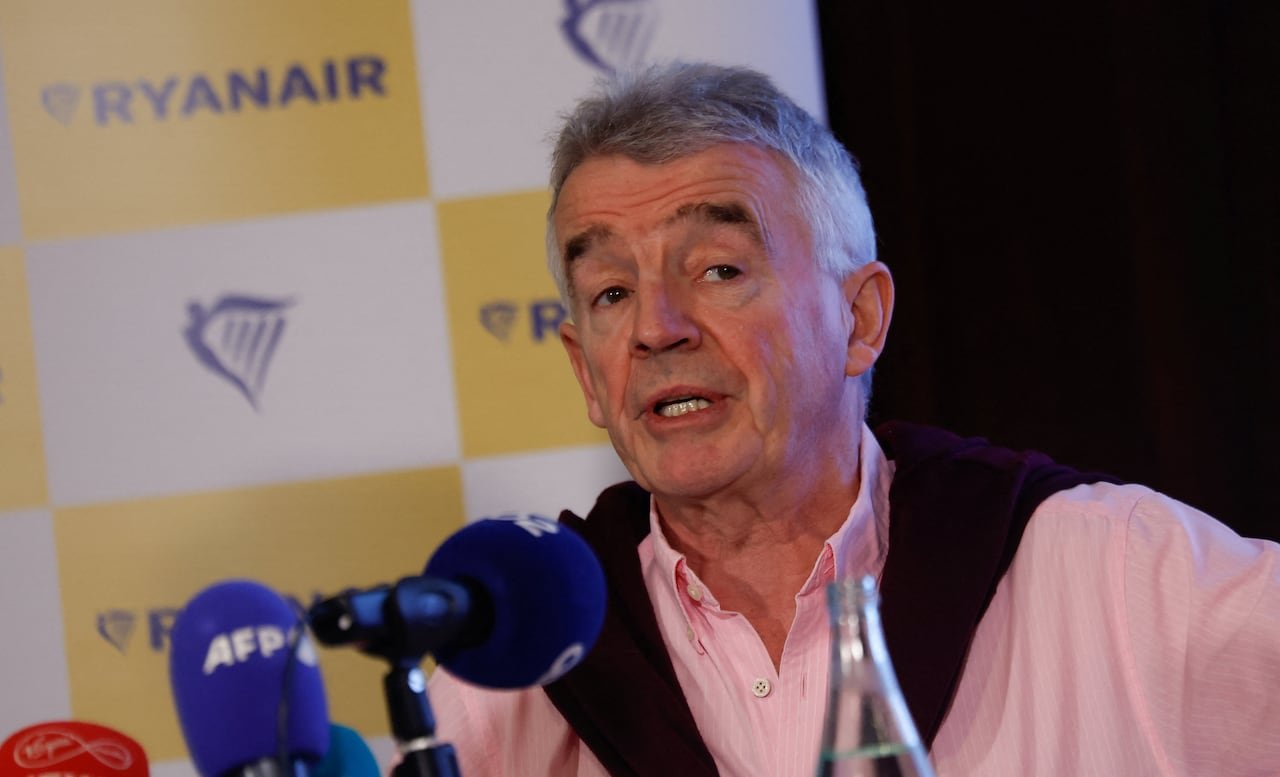
The NTSB criticized Ryanair CEO Michael O’Leary for prematurely focusing on foreign object damage during the investigation. Ryanair, Boeing, and CFM International are cooperating with the ongoing investigation.
Deadline to strengthen engine coverings
The FAA had issued directives to enhance engine coverings on Boeing 737s after previous incidents, requiring airlines to complete modifications by July 2028. The NTSB report highlighted that the required changes had not been made to the Ryanair aircraft involved in the recent incident.
The latest accident may prompt a reassessment of the deadline by the FAA and NTSB, considering the potential safety implications. The FAA stated its commitment to supporting the NTSB and ensuring necessary safety measures based on the investigation’s findings.
The aircraft involved, a 737-800 with a capacity of up to 189 passengers, was delivered to Ryanair in 2008. Flight records indicated a rapid descent after the incident, with the plane landing safely back in Thessaloniki.
The flight was operated by Malta Air, a subsidiary of Ryanair, a prominent budget carrier in Europe.