


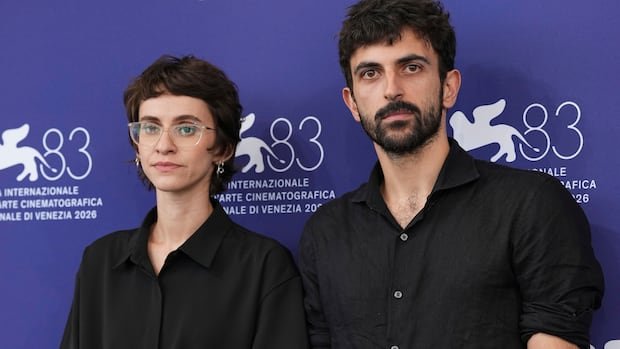

Rachel Szor and Yuval Abraham’s documentary, “NAZA,” sheds light on Israel’s alleged utilization of AI-powered military technologies to target and eliminate Palestinian civilians in Gaza. The film received an unprecedented 24.5-minute standing ovation at its premiere during the Venice Film Festival. Videos shared on social media captured the emotional reactions of the Israeli filmmakers as the audience erupted in applause, with Abraham visibly moved to tears.
This remarkable reception surpassed previous records at the Venice Film Festival, including the 24-minute ovation for “The Voice of Hind Rajab” and the 22-minute applause for Guillermo del Toro’s “Pan’s Labyrinth” at Cannes. The film features anonymized testimonies from 24 Israeli military insiders, highlighting the alleged use of surveillance systems and AI intelligence to target Hamas members, regardless of the presence of innocent civilians, including women and children.
Shot clandestinely in Tel Aviv over three years, “NAZA” presents interviews with obscured Israeli military personnel discussing the alleged practices. The Israel Defence Forces (IDF) have vehemently denied the accusations, stating that decisions to strike targets are solely made by humans to minimize civilian harm. The film, named after an Israeli military acronym for civilian casualties, serves as a companion piece to Abraham and Szor’s previous award-winning documentary, “No Other Land.”
The documentary’s executive producer, Jonathan Glazer, faced backlash for his anti-Israel statements during the 2024 Oscars. The film’s exploration of the ongoing conflict in Gaza emphasizes the systematic nature of the actions depicted, as highlighted by Abraham in an interview with The Associated Press. The narrative underscores the continuous loss of civilian lives in Gaza, with over 73,422 Palestinian fatalities reported since the conflict began, with women and children comprising half of the casualties.
Abraham emphasized the film’s mission to expose the systemic nature of the situation, emphasizing that the depicted events are not isolated incidents but part of a broader, ongoing conflict. The filmmakers aim to provide an insider’s perspective through testimonies, shedding light on the complexities and consequences of the conflict.