


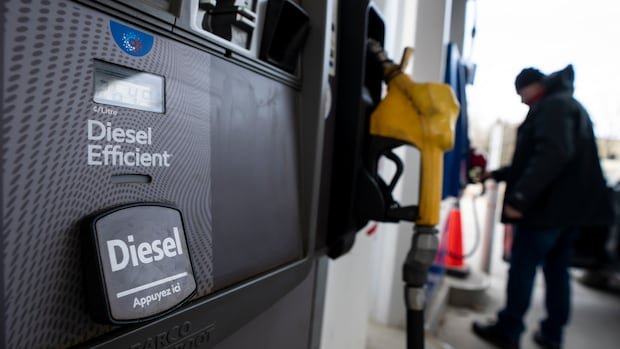

The surging diesel prices, attributed to global conflicts, are posing a significant challenge for trucking companies in Canada as they face escalating fuel costs. According to Tej Dulat from the Canada Truck Operators Association, commercial trucks consume large volumes of fuel weekly, making it a major expense. Since the spike in prices following the 2022 Russia-Ukraine conflict, the industry has been under tighter margins, forcing companies to pass on the increased costs to consumers. Diesel prices in Canada have reached $2.62 per litre, exceeding last year’s rates by over a dollar, with Vancouver hitting $2.92 per litre. In the U.S., diesel prices have hit a record high of over $6 per gallon.
Geopolitical conflicts are now having a more significant impact on oil prices compared to tariffs on Canadian goods, as highlighted by experts. The ongoing U.S.-Israel war with Iran is a key factor keeping gas prices elevated, which could lead to a trickle-down effect on other goods. The shortage of diesel is exacerbated by reduced exports from the Persian Gulf region and geopolitical tensions affecting production in countries like Russia and Ukraine.
To address the soaring diesel prices, the Canadian government has extended the suspension of the federal fuel excise tax. However, industry experts believe that this measure may not be sufficient to offset the rising costs. The head of a petroleum analysis firm, Gas Buddy, warned that failure to address this issue promptly could have severe economic repercussions in North America.
As the winter approaches, energy analyst Dan McTeague predicts further diesel price hikes, potentially leading to a costly season for the transportation industry and consumers alike. The impact of rising diesel prices on the food supply chain is a growing concern, with experts warning of potential long-term effects on food prices and production. The convergence of various factors, including extreme weather events affecting harvests, is creating significant upward pressure on food prices, raising worries about a prolonged period of elevated costs for consumers, especially those with lower incomes.
The evolving dynamics in the energy and geopolitical sectors suggest a challenging road ahead for Canadians, as they may need to brace for higher costs in various aspects of daily life, particularly in the food sector.