


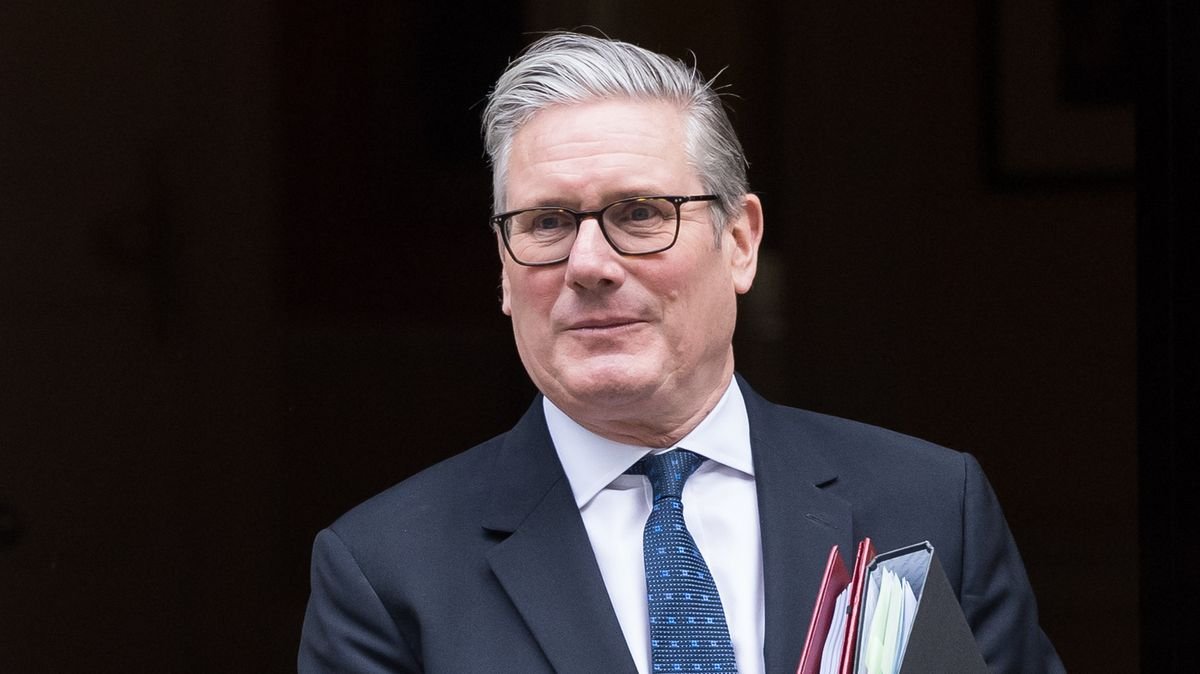

Keir Starmer has announced the replacement for the resigned armed forces minister, Al Carns. The Prime Minister faced a significant challenge as speculation surrounded his leadership of the Labour Party and the country. John Healey, the defense secretary, and Al Carns stepped down due to concerns over the delayed defense investment plan (Dip).
Louise Sandher-Jones, the Member of Parliament for North East Derbyshire, will now serve as the armed forces minister, succeeding Carns. Calvin Bailey will assume the role of veterans minister, while Angela Eagle has been appointed as a security minister in the Home Office and Cabinet Office, taking over from Dan Jarvis, who is now the Defense Secretary.
Carns criticized the funding plan for lacking sufficient resources and not being innovative enough to address the challenges of modern warfare, exemplified by the use of drones in the Ukraine conflict. Despite his resignation, Carns suggested that Keir Starmer should remain in his leadership role to stabilize the situation but did not rule out a future leadership bid. He also raised concerns about the level of funding and the types of military equipment being acquired.
Dan Jarvis has been named as the replacement for John Healey. Starmer emphasized the importance of defense spending and the tough decisions taken to ensure national security. Military leaders have called for approximately £28 billion over four years, while the Dip only allocated £13.5 billion, with £10 billion as additional funding. The remaining £3.5 billion was speculated to come from efficiency savings or cuts, labeled as “Treasury trickery.” Healey criticized the delayed and insufficient support, claiming it was not allocated promptly when needed.
In response to Healey’s remarks, the Prime Minister reaffirmed that defense spending remains a priority and will be addressed in the upcoming spending review. Starmer reiterated his commitment to stay on as Prime Minister, expressing a sense of duty to avoid disrupting the country with a leadership election. He emphasized that any potential leadership challenge would be met with a determined fight, driven by a deep sense of responsibility rather than personal motives.