


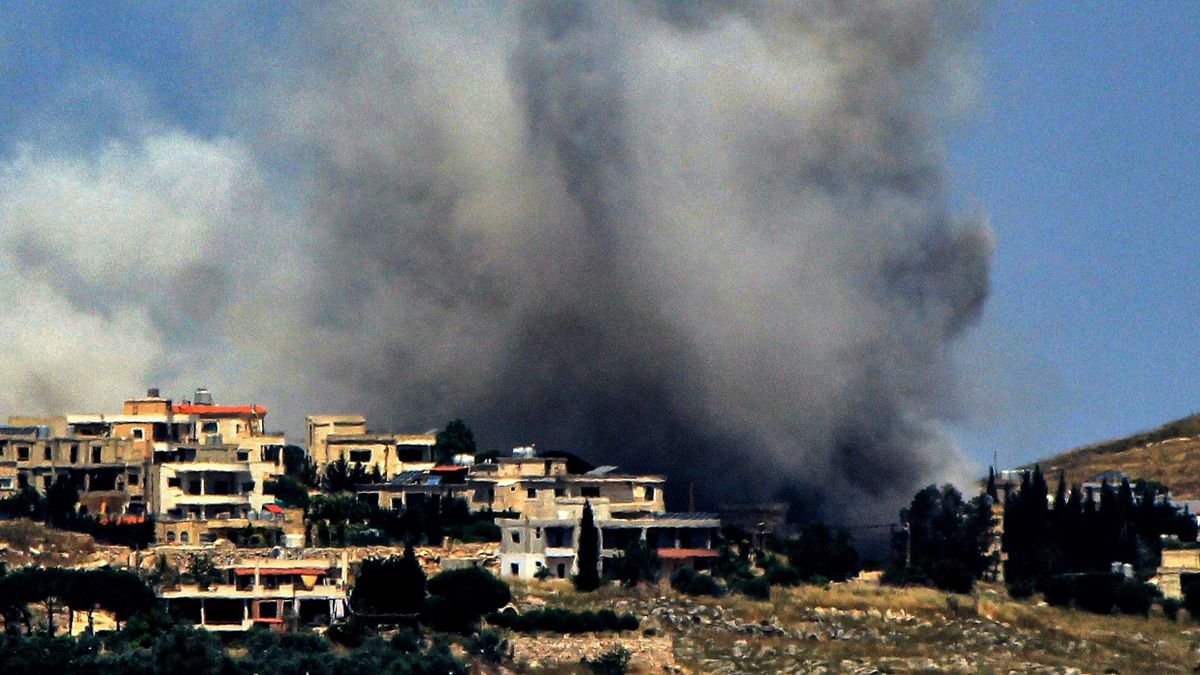

Israel and Lebanon have agreed to extend a fragile ceasefire, with Hezbollah members prohibited from certain security zones to prevent further missile attacks. The deal hinges on a complete halt to aggression by Iran’s proxy group in Lebanon, backed by Israel’s threat of retaliatory strikes on Beirut. Israeli Defense Minister Israel Katz emphasized the importance of ensuring security for northern residents and outlined measures including Hezbollah’s disarmament and removal from the area south of the Litani River.
The agreement has faced criticism, with far-right Israeli National Security Minister Itamar Ben-Gvir calling it a “serious mistake” that could bolster Hezbollah. The US State Department facilitated the agreement to ease tensions in Lebanon amid Tehran’s push for a resolution to the Iran war. Tehran has demanded Lebanon’s inclusion in any peace deal concerning hostilities with the US and the reopening of the Strait of Hormuz.
The terms of the agreement involve the evacuation of Hezbollah operatives from the buffer zone between Israel and the Litani River, aiming to prevent militant missile launches. The US will support the Lebanese Armed Forces in establishing areas under their control to exclude Hezbollah. Negotiations between Lebanon and Israel are set to resume on June 22 for further discussions.
The conflict between Israel, the US, and Iran escalated on March 2 when Hezbollah launched rockets into Israel in retaliation for an Israeli strike that killed Iran’s supreme leader. Israel has increased its attacks on Hezbollah as a potential truce with Iran looms. Casualty figures in Lebanon have risen, with over 3,500 deaths reported, and more than one million displaced individuals. On the Israeli side, 26 soldiers and four civilians have lost their lives during the conflict.
In Gaza, at least nine Palestinians were killed in overnight strikes, adding to the casualties since the ceasefire agreement with Hamas. Israeli forces have conducted airstrikes and engaged in clashes with Palestinian militants, resulting in numerous fatalities. The conflict in Gaza began with Hamas’ attack in October 2023, leading to a prolonged period of violence and casualties on both sides.