


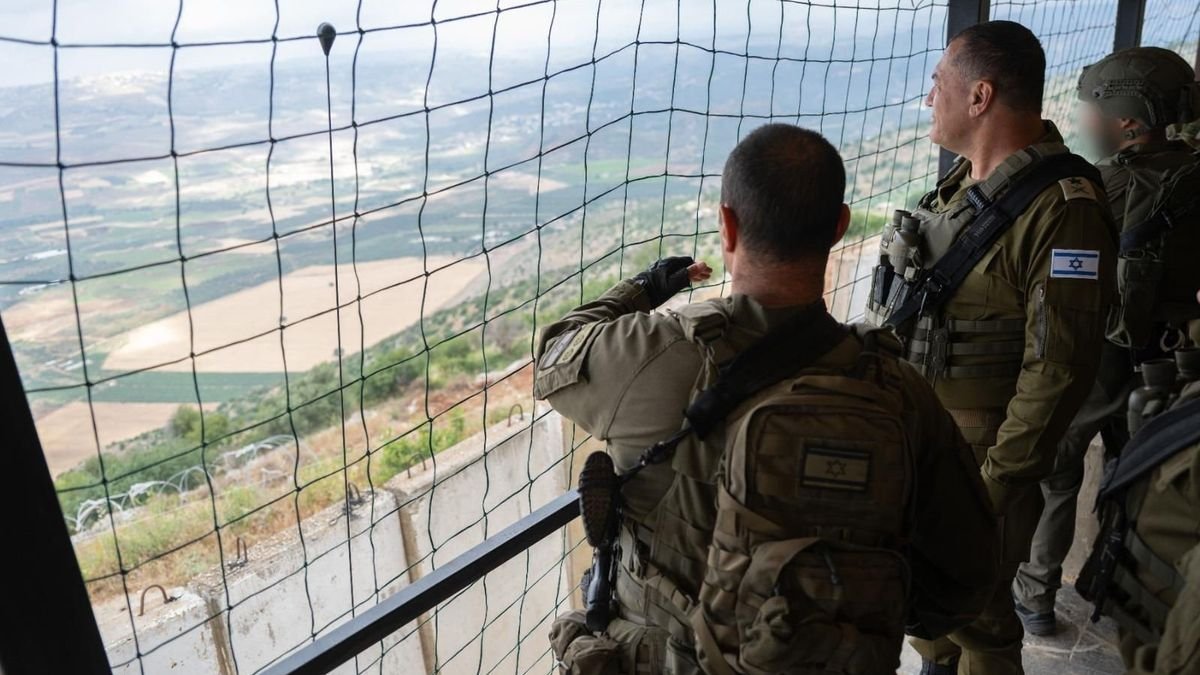

Ceasefire negotiations in the Middle East hit a standstill as Hezbollah rejected US-mediated proposals, while Israel continued its military strikes in Lebanon. The ongoing conflict resulted in at least six casualties from Israeli attacks, with Prime Minister Benjamin Netanyahu declaring a sustained offensive against Hezbollah in Lebanon.
Israeli Defense Force soldiers issued evacuation orders to residents in nine locations in southern Lebanon, intensifying tensions in the war-torn region. Hezbollah insisted on the withdrawal of all Israeli troops from Lebanese territory to consider any peace agreement, defying attempts to reach a deal between the two nations.
Prime Minister Benjamin Netanyahu affirmed that Israeli forces would not retreat from Lebanon and vowed to dismantle Hezbollah’s installations, including a vast underground fortress complex. He proposed the establishment of security zones and buffer areas across the border to ensure lasting peace and security.
Netanyahu described the captured fortress as a unique and extensive stronghold, emphasizing Israel’s determination to eliminate it. Meanwhile, Hezbollah leader Naim Qassem dismissed the ceasefire deal brokered by the US as a charade, reaffirming the group’s stance on Israel’s complete withdrawal from Lebanon.
The conflict has led to a significant toll, with over 3,500 fatalities and more than 10,000 injuries in Lebanon due to Israeli airstrikes. Iran’s IRGC command reiterated that peace in the region hinges on Israel’s withdrawal from Lebanese territories, underscoring the complexity of reaching a lasting resolution.
Efforts to reopen the vital Strait of Hormuz for global oil trade faced setbacks as US President Donald Trump downplayed the need for a ceasefire with Iran to address uranium enrichment issues. Trump’s remarks underscored the challenging nature of the deadlock between Lebanon and Israel, highlighting the ongoing tensions in the region.
Despite announcements of a ceasefire agreement between Lebanon and Israel, the absence of Hezbollah’s participation in negotiations has perpetuated hostilities. Recent clashes between Hezbollah militants and Israeli forces have resulted in casualties, further escalating the conflict rooted in longstanding animosities between the two sides.
The exchange of fire between Lebanese Hezbollah and Israel dates back to the aftermath of the October 7 Hamas incident in 2023, underscoring the complex geopolitical dynamics influenced by Iranian support for militant groups in the region.