


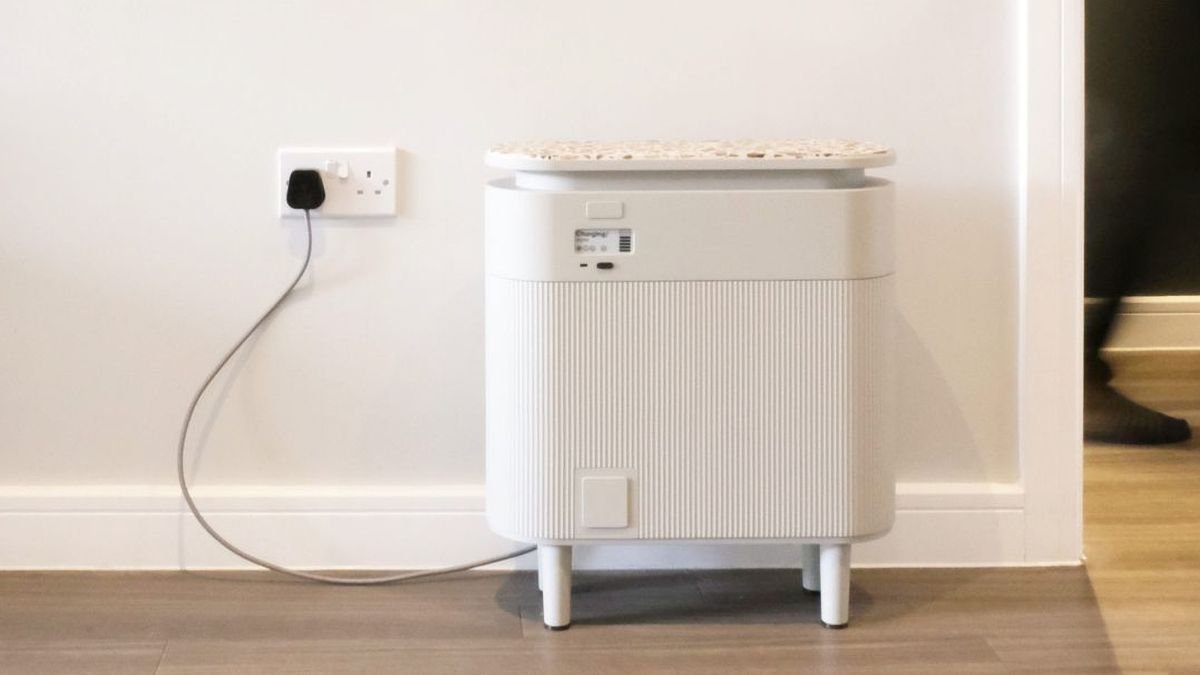

Households may receive complimentary plug-in batteries to reduce energy expenses as part of various options being considered by the Government.
These plug-in batteries function similarly to power banks, allowing users to store excess electricity. The concept involves storing energy during low-demand, cost-effective periods and utilizing it during peak pricing hours, typically on weekday evenings when power consumption is high.
Available in various sizes, from small units resembling microwaves to larger ones occupying the space of a washing machine, these batteries can be plugged into standard wall sockets and discharge energy back through them, costing around £500.
The Department for Energy Security and Net Zero (DESNZ) is reportedly proposing a plan to bulk-purchase plug-in batteries for low-income households. This initiative, part of the Warm Homes Plan by former energy secretary Ed Miliband, aims to make energy consumption more efficient.
While plug-in batteries are viewed as an attractive option due to their ease of deployment, decisions on their implementation rest with the Energy Secretary, Miatta Fahnbulleh. However, existing regulations do not permit these batteries as they require devices transferring power to the grid to be on dedicated circuits.
DESNZ is currently focusing on deploying plug-in solar panels, set to be legally accessible by August 27, 2026. Research suggests that these solar panels could save an average UK household between £70 to £110 annually on energy bills.
Furthermore, households in England or Wales can receive financial assistance from the Government to replace gas, oil, or electric boilers with heat pumps or biomass boilers. Additionally, those with lower incomes and poor energy efficiency ratings might qualify for grants to improve home insulation and install energy-efficient systems like air source heat pumps and solar panels.