



American military strategists have escalated their efforts in the Middle East by deploying Special Forces units, additional weaponry, and bombers following a series of unsuccessful airstrikes on Iran aimed at resolving the Strait of Hormuz crisis. The latest night of bombardment targeted various Iranian assets, including attack boats, missile and drone facilities, and defensive positions.
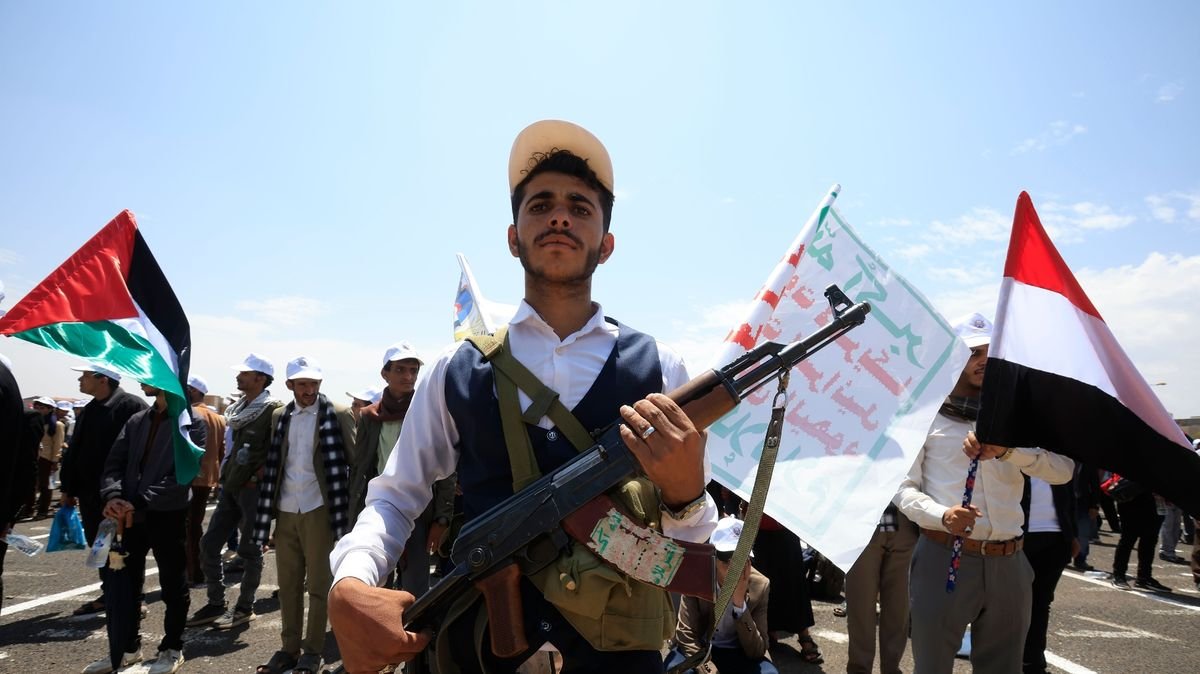
The extensive five-hour attack, conducted overnight, was met with retaliatory actions from Tehran’s proxy commando groups, resulting in the attack on two Saudi vessels, one of which caught fire. Concurrently, Yemeni Houthis initiated strikes on Saudi Arabian oil tankers in the Red Sea, escalating the conflict in the region.
Reports indicate that the United States is bolstering its military presence in the area by deploying more resources, including a significant number of special forces commandos. Additionally, heightened vigilance among US and UK troops stationed in the region signals readiness for a potential escalation in the conflict.
Iranian Parliament Speaker Mohammad Ghalibaf emphasized the gravity of the situation, declaring that the conflict presents a stark choice – either all parties involved are affected, or none. He asserted that the status quo regarding the Strait of Hormuz will not revert to its pre-war conditions.
In response to the airstrikes, Iranian state TV reported casualties resulting from a US missile attack at the Shalamcheh border crossing with Iraq. Meanwhile, United States Secretary of State Marco Rubio disclosed that Iran has expressed a desire for negotiations to end the conflict but has yet to commit to a resolution. Rubio highlighted Iran’s history of reneging on agreements, suggesting a lack of readiness on Iran’s part to engage in meaningful dialogue.
The threat posed by Houthi rebels to blockade Saudi Arabia has the potential to further disrupt global oil supplies and international trade, with implications for the broader economy. The rebels’ actions, including the closure of the Bab el-Mandeb Strait, a critical maritime chokepoint, could significantly impact shipping routes vital for global trade, particularly for Saudi oil exports.
The escalation of hostilities has prompted the deployment of additional US warplanes to the region, reinforcing existing military assets in strategic locations such as the Arabian Sea and Jordan. The situation remains fluid as tensions persist, underscoring the need for continued monitoring and diplomatic efforts to prevent further escalation of the conflict.