



Extreme weather conditions wreaked havoc across Europe today, with some of the worst-affected countries facing warnings of temperatures soaring up to 40C (104F). Approximately 1.6 million UK travelers bound for Italy encountered disruptions in their travel plans as nearly every major city in the country was put on ‘red alert’ due to the extreme heat. From north to south, cities like Rome, Milan, Venice, and Naples cautioned both residents and tourists about the associated health hazards, with temperatures reaching the mid-30sC in various regions.
Authorities issued warnings that even those considered ‘healthy and active’ were vulnerable to the heatwave, emphasizing that risks extended beyond vulnerable groups like the elderly, young children, and individuals with chronic illnesses. In a show of solidarity, five water-dropping planes and helicopters were deployed at dawn today to aid firefighters near Athens following a midair collision, which remarkably left a British helicopter crew member alive.
The collision between the two firefighting helicopters highlighted the perilous conditions faced by frontline responders in Europe’s wildfire crisis. As flames continued to ravage the outskirts of the Greek capital, fresh evacuations were initiated during the early hours. Tragically, a Greek national and a Dane lost their lives in the helicopter collision near Psatha, by the seaside.
In response to the escalating situation, more than 1,000 individuals have been evacuated from the affected region, with over 250 rescued from beaches in Greece by boat. Additional evacuation orders were issued for three areas as firefighting crews worked tirelessly to create firebreaks in the forest to contain the spread of the inferno.
Meanwhile, in France, firefighters stood guard over a massive burning scar, equivalent to four times the size of Paris, as a blaze tore through pine forests and scrubland, fueled by strong gale force winds that hindered aerial firefighting efforts. Hungary faced power shortages after the prevailing drought across Europe led to the closure of its only nuclear power plant. Prime Minister Peter Magyar expressed concerns over the critical situation as the Danube River, crucial for cooling the plant, reached record low levels.
As a response, the government contemplated imposing mandatory electricity restrictions for large corporations, with Mr. Magyar stressing the importance of reducing electricity consumption during peak evening hours. The Paks power plant ceased operations, anticipating the upcoming scorching 40C days and the strain it would put on the power grid and essential services.
The drought’s impact extended to several countries, including Romania, where the Danube River recorded its lowest levels in three decades. Water restrictions were enforced in over 100 localities, including the outskirts of Budapest, urging companies, public entities, local governments, and households to curtail electricity usage during peak hours.
Italy found itself in the midst of the fourth intense heatwave of the summer, with temperatures hitting 40C in various parts of the country. An estimated 17.4 million tourists are projected to visit Italy until August 23, with a significant influx expected from the UK. While wildfires continued to pose a concern in Greece, travel expert Rory Boland advised against canceling trips prematurely, emphasizing the importance of waiting for updates from tour operators or airlines regarding flexible booking options.
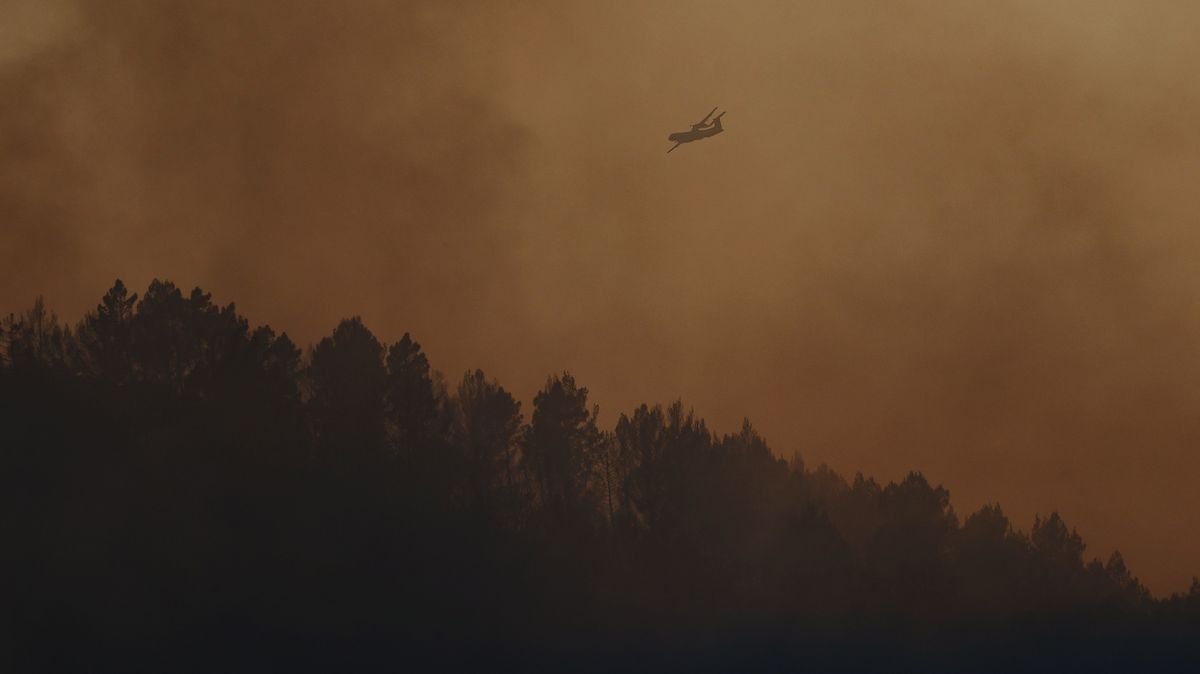
Witnesses observed dash firefighting aircraft battling a wildfire in Correns, southeastern France, though the situation appeared to be under control. Despite the challenges posed by the wildfires, travel companies were urged to prioritize travelers scheduled to depart in the immediate future to ensure effective communication and support.