



Canada and the United States continue to struggle in reaching a tariff agreement as the deadline set by President Donald Trump approaches. Two sources familiar with the trade discussions revealed that Canadian officials are dissatisfied with the most recent offer from the U.S., which aimed to reduce certain sectoral tariffs but not to the extent desired by Canada.
Negotiations have been ongoing in an attempt to secure a deal before Trump’s proposed 50% tariff increase on numerous Canadian products on August 19, in addition to the existing sectoral tariffs. The U.S. is pushing for a deal that would grant them preferential entry to Canadian critical minerals, covering areas such as security and energy.
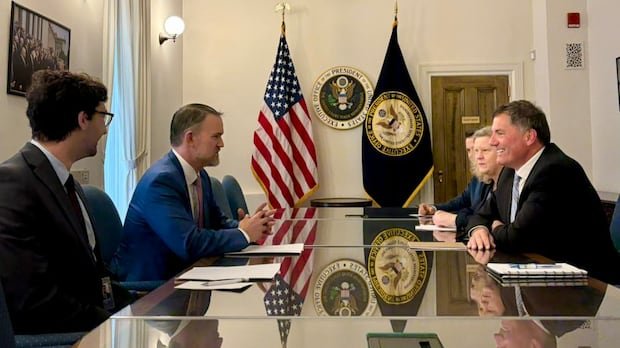
Both countries’ representatives, including Canada-U.S. Trade Minister Dominic LeBlanc and U.S. Trade Representative Jamieson Greer, have been engaged in discussions over the past few weeks. They are striving to present Trump with a potential trade agreement, with daily meetings scheduled up to the looming August 19 deadline.
Efforts are being made to avoid the implementation of new tariffs, with a focus on resolving existing ones imposed by the U.S. on Canadian steel, aluminum, lumber, and automobiles. Canada is also looking forward to the renewal of the Canada-U.S.-Mexico Agreement (CUSMA), following the Trump administration’s decision not to extend the deal beyond 2036 last month.
Despite the ongoing negotiations, Canada has rejected the latest U.S. trade offer just days before the tariff deadline. The U.S. raised concerns over various trade issues, including Canada’s response to U.S. trade policies, such as the removal of U.S. alcohol from Canadian store shelves and alleged discriminatory practices against U.S. motor vehicles and dairy products.
Conservative Leader Pierre Poilievre has urged stronger action from Canadian negotiators, emphasizing the importance of securing a beneficial deal that includes the elimination of tariffs on softwood lumber, an end to sectoral tariffs on steel and aluminum, a tariff-free auto agreement, and full exemption from Buy America regulations on infrastructure projects.
Industry sources suggest that Canada is willing to make concessions, such as ending alcohol bans, to gain relief from tariffs imposed by the U.S. during the negotiations. LeBlanc and Charette continue their discussions in Washington, striving to find common ground with their American counterparts.