


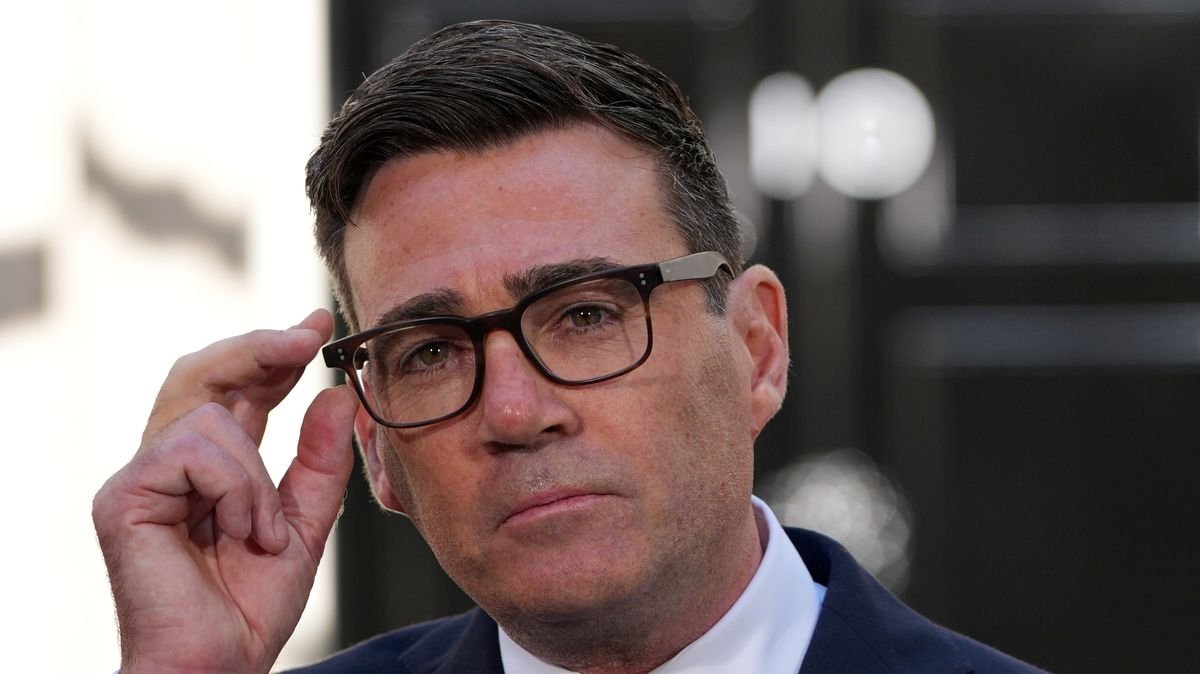

The swift and decisive removal of Keir Starmer’s supporters unfolded with a ruthless efficiency. Dubbed the “night of the long eyelashes” by some Westminster observers, Andy Burnham made a clean break from the Starmer era by dismissing several top ministers closely aligned with the former PM.
Among those relieved of their positions were Steve Reed, David Lammy, Darren Jones, Peter Kyle, and Lord Hermer, all of whom had strong ties to the previous administration. Despite a strong effort to retain her role as Chancellor, Rachel Reeves, closely associated with the Starmer agenda, particularly its significant misstep regarding the winter fuel allowance cut, declined an alternative cabinet position.
The uncertainty surrounding Burnham’s selection for Chancellor sparked widespread speculation and frenzy in Westminster. Initial predictions ranged from Ed Miliband, an early favorite, to Shabana Mahmood, who received considerable media backing leading up to Burnham’s appointment.
In a surprising turn of events, John Healey, a former Defense Secretary, was entrusted with overseeing the nation’s finances, while Mahmood retained her position as Home Secretary to drive stringent immigration reforms. Miliband, on the other hand, assumed the role of the UK’s top diplomat.
Despite the extensive reshuffling, Burnham emphasized his intention to prevent factionalism within the Labour Party. Healey’s appointment as Chancellor, although unexpected by many, is rooted in his reputation as a seasoned politician with experience in financial matters, having previously served in the Treasury under Tony Blair and Gordon Brown.
Healey’s background as a housing minister and his dedication to revamping military accommodations align well with Burnham’s vision for a surge in council house construction. While facing pressure to secure funding for the armed forces following his resignation over defense spending, Healey’s critique of conventional Treasury practices positions him as a balanced choice capable of implementing progressive reforms without alarming financial markets.
Miliband’s aspirations for the Chancellor role were redirected, with Burnham entrusting him with another significant governmental position as a gesture of goodwill. Additionally, Burnham rewarded loyalists such as Louise Haigh, who assumed the roles of First Secretary of State and Chancellor of the Duchy of Lancaster, and Lucy Powell, appointed as Education Secretary.
Angela Rayner reclaimed her former role as Secretary of State for Housing, Communities, and Local Government, a crucial portfolio in Burnham’s agenda. Notably, existing ministers like Pat McFadden and Yvette Cooper were retained in their respective positions, reflecting the PM’s dedication to welfare reform and healthcare system improvements.
As the Cabinet lineup takes shape, these appointments underscore the PM’s primary objectives and his commitment to a singular vision driving his administration.