



Travelers should be cautious when carrying playing cards during air travel, as they may trigger security alerts and cause delays at airport checkpoints. While playing cards may seem like harmless entertainment for long flights, they can appear suspicious on X-ray scanners due to their compact shape, potentially leading to additional security checks.
The Transportation Security Administration (TSA) in the United States has advised that any type of playing cards, including popular games like UNO or collectibles such as Pokémon cards, could raise red flags during airport screenings. The thickness of card decks can obstruct X-ray images, making it challenging for security officers to verify the contents without conducting further inspections.
Even seemingly benign items like card games could be mistaken for potential threats by security personnel, leading to delays in the screening process. This advice from the TSA applies not only to US airports but also to airports in the UK, where similar security protocols are in place. A tightly packed deck of cards can be misinterpreted as a dense object, prompting the need for manual checks to ensure safety.
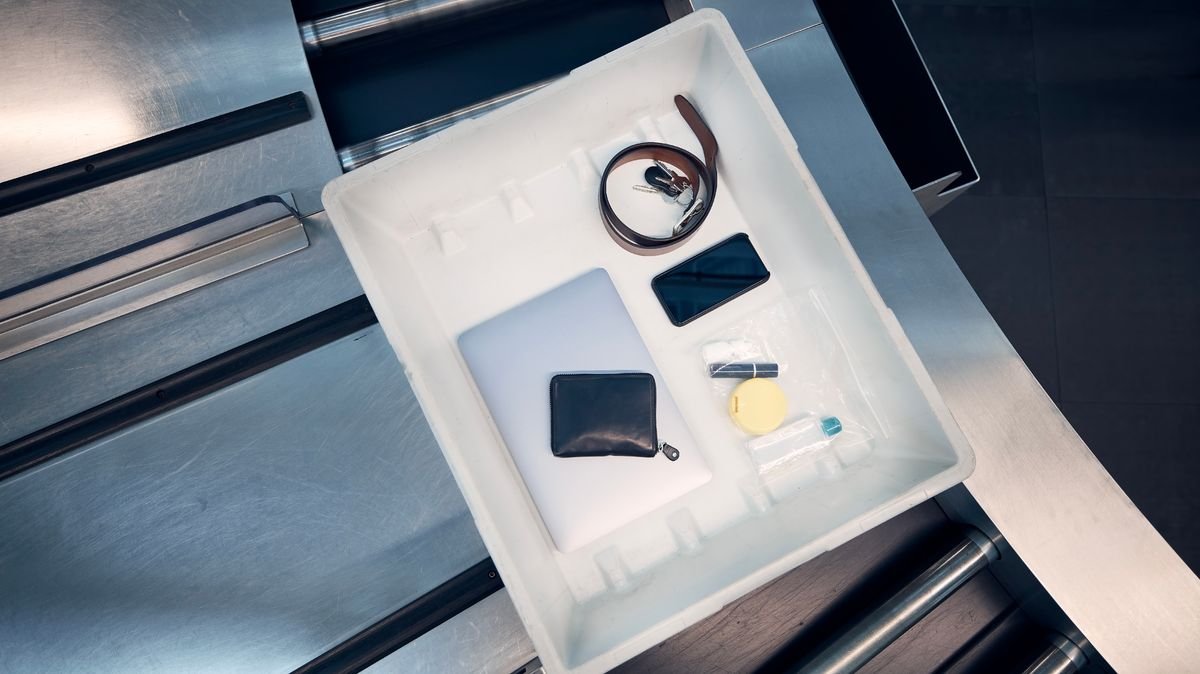
To avoid unnecessary delays, travelers are encouraged to place their card decks in a separate tray for screening and refrain from using metal tins or cases that can obstruct X-ray scanning. Additionally, storing playing cards in checked luggage rather than carry-on bags can prevent manual inspections and streamline the security process, albeit with the risk of potential damage or loss during transit.
Some UK airports are transitioning to advanced 3D scanning technology, which reduces the likelihood of false alarms and eliminates the need to remove certain items from carry-on bags. However, until all airports implement these upgrades, passengers should remain vigilant and cooperate with security guidelines to facilitate a smooth travel experience without compromising safety.