


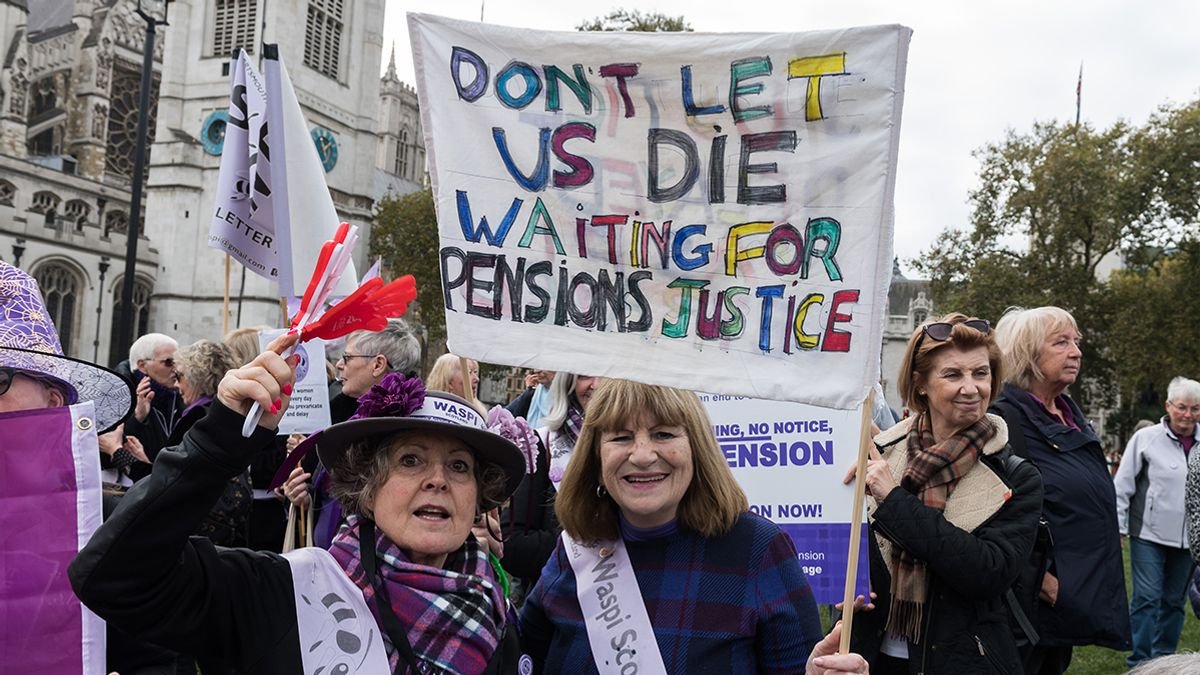

Andy Burnham has agreed to meet with WASPI campaigners to address the injustices faced by 1950s-born women affected by changes in the state pension age. The incoming Prime Minister, set to take office on Monday, reiterated his commitment to supporting these women who were let down by the Department for Work and Pensions (DWP) when the pension age was raised. Labour, under Keir Starmer, had previously declined to implement a compensation package despite recommendations from an independent ombudsman in 2024.
Angela Madden, the chair of Women Against State Pension Inequality (WASPI), confirmed positive discussions with Andy Burnham’s team, expressing optimism for further talks once he assumes office. Madden highlighted Burnham’s longstanding support for the campaign and the need for fair redress for affected women, emphasizing the lack of serious engagement from past governments.
Campaigners anticipate that the new PM will honor his commitment to addressing the issue. Burnham, during the Makerfield by-election, expressed discomfort with the treatment of WASPI women by politicians and pledged to support them in seeking recompense for the unfairness they have endured. While financial compensation may not be pursued, Burnham’s team suggested exploring alternative solutions like concessionary travel, drawing from his previous initiatives in Greater Manchester.
The failure to inform women of the pension age changes caused significant hardships, with many facing financial struggles and unforeseen challenges. Despite initial support from senior Labour figures, including Starmer, the party refrained from approving compensation, citing concerns about public expenditure.
The WASPI campaign’s pursuit of a judicial review over the government’s stance on compensation reflects ongoing efforts to seek redress. As the state pension age continues to rise, reaching 67 by 2028, the push for fair treatment of affected women remains a pressing issue that campaigners hope a new Labour government will address.