


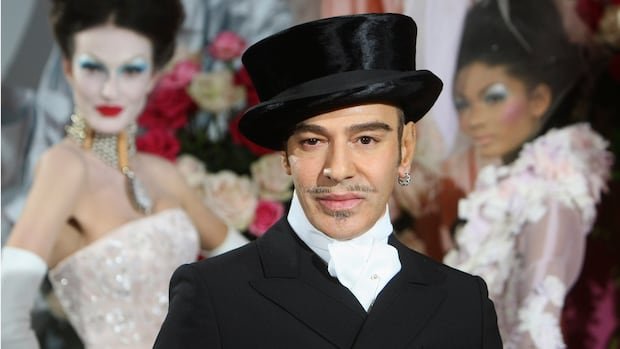

The Metropolitan Museum of Art has decided to cancel its upcoming exhibition honoring British designer John Galliano due to widespread criticism from the Jewish community and beyond regarding Galliano’s history of making antisemitic and racist remarks. The exhibit, originally set to be the centerpiece of the May 2027 spring Costume Institute show and the annual Met Gala, will now be replaced by a different exhibition, with details to be announced later.
In a statement released on Monday, Max Hollein, the director and CEO of the museum, stated that after careful discussions with John Galliano, they mutually agreed to forgo the exhibition. Galliano also expressed regret, acknowledging the pain caused by his past words, especially to the Jewish and Asian communities, and apologized for his actions.
Once a prominent figure in the fashion industry known for his extravagant designs, Galliano faced repercussions in 2010 and 2011 when his racist and antisemitic comments came to light, leading to his dismissal from Christian Dior and a subsequent trial on antisemitism charges in France. Following his departure from Dior, Galliano embarked on a journey of rehabilitation and eventually returned to the fashion scene in 2014 as the creative head of Maison Margiela.
Initially slated to be the subject of a solo exhibition at the Met’s Costume Institute, Galliano’s show was highly anticipated, particularly as it would have made him the third living designer to receive such an honor. The Met Gala, the premier event in the fashion world, traditionally marks the start of the spring season and is overseen by influential fashion figure Anna Wintour, the global editorial director of Vogue and a longtime supporter of Galliano.
Despite engaging in consultations with leaders from the Jewish community before announcing the exhibition, the Met Museum faced escalating backlash. Notably, New York City Council Speaker Julie Menin criticized the decision, citing concerns about honoring Galliano amidst a climate of rising antisemitism. Menin commended the museum’s choice to cancel the exhibition, emphasizing that the decision was necessary to prevent further harm and distress to the Jewish community.