


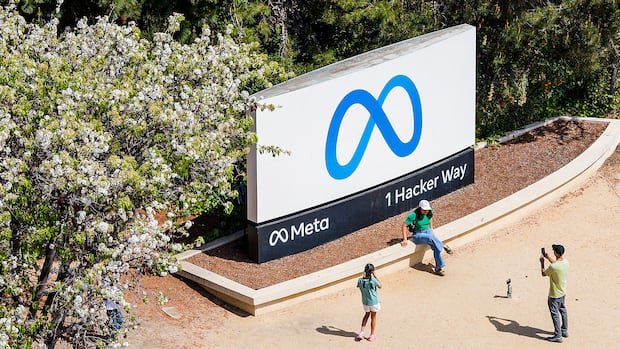

Meta Platforms CEO Mark Zuckerberg has advocated for reduced barriers in the U.S. for open-source AI to enhance competitiveness with Chinese counterparts. The social media giant unveiled a smaller and more customizable AI model, Muse Glimmer, on Monday, with plans for larger models in the future. Zuckerberg emphasized the importance of democratizing AI and expressed concerns about excessive centralization of power in the field. This move aligns with the growing trend towards open-weight AI models, in response to escalating costs and security issues associated with closed models.
The rise of Chinese open-weight models like Kimi K3 and security incidents involving AI from Anthropic, OpenAI, and Meta have fueled interest in open-weight AI. These models allow users to customize core components for specific needs and are more cost-effective compared to closed models. Notably, Meta, along with other tech firms, has endorsed open-weight AI initiatives, recognizing the advancements made by Chinese startups in this domain.
Meta’s stock rose following the announcement of Muse Spark 1.2, its cutting-edge AI model developed by a specialized team. Zuckerberg’s $1 billion fund aims to address concerns about the impact of data centers on communities, amid escalating opposition to such facilities. Zuckerberg highlighted the need for policy reforms in the U.S., particularly in data use and distillation, to foster innovation in open-weight AI models.
To maintain leadership in open-weight AI, Zuckerberg proposed a governance structure to oversee model releases and ensure safety criteria compliance. The U.S. administration’s decision not to subject open-weight AI models to voluntary safety tests underscores the evolving regulatory landscape in the AI sector.