


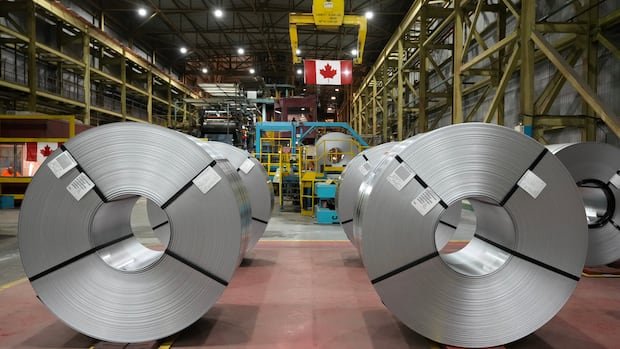

The Canadian government is injecting $100 million into the steel industry through a novel initiative that covers 50% of the expenses for transporting Canadian-produced steel by sea or rail domestically. Transport Minister Steven MacKinnon unveiled the Commodities Sectoral Support Program in Hamilton to counteract the U.S. tariffs imposed on Canadian steel, aluminum, copper, and related items, ranging from 10 to 50%.
MacKinnon stressed the critical national significance of Hamilton’s steel sector and other steel producers across Canada, emphasizing the government’s commitment to safeguard and enhance the industry’s prosperity. The newly launched program provides rebates to companies for half of the expenses incurred in transporting certified Canadian steel between provinces.
Set to run for a year or until the $100 million fund is depleted, the program allows a maximum rebate of $50 million per producer. MacKinnon hinted at the possibility of an extension if the funds are exhausted before the designated timeline, indicating a flexible approach to the program’s implementation based on uptake levels.
In response, Conservative Leader Pierre Poilievre proposed extending the gas and diesel excise tax holiday and eliminating the industrial carbon tax as solutions to make steel transport more cost-effective. He criticized the impact of U.S. tariffs and domestic taxes on the industry’s operations.
This initiative aligns with Prime Minister Mark Carney’s efforts to enhance the Canadian economy by streamlining and reducing the costs of domestic product shipments. Industry leaders, such as Ron Bedard from ArcelorMittal Dofasco, anticipate significant positive effects on the steel sector and economic benefits for all provinces. Jason Card, representing the Chamber of Marine Commerce, praised the program for its potential to support the steel industry, strengthen supply chains, and boost the national economy by facilitating steel movement across various regions and purposes.