


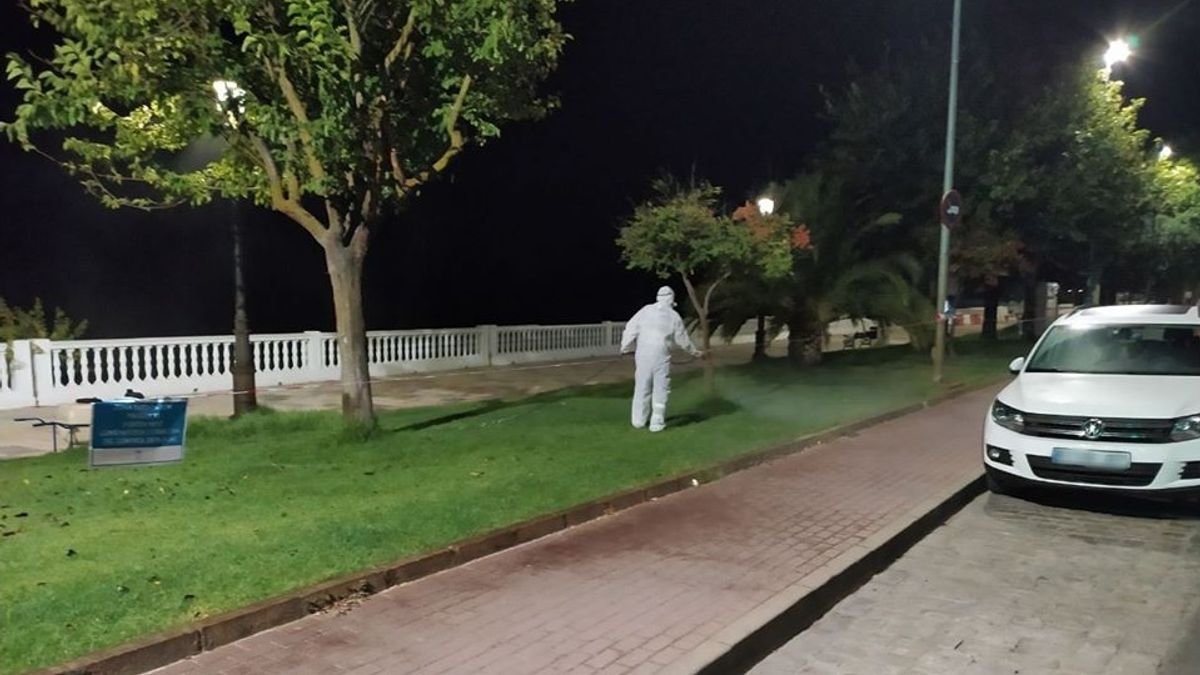

Two popular Spanish vacation destinations have raised alarms as a number of individuals have been infected by the potentially lethal West Nile virus.
Mosquitoes carrying the virus have been discovered in Fuengirola and Mijas, both frequented by numerous British tourists annually. Health authorities have identified these insects in traps placed within the two towns.
The Andalusian government has issued alerts in the areas of Bollullos de la Mitación and Fuengirola, as well as around Las Lagunas in Mijas.
These alerts will be effective for a minimum of four weeks or until a period without any reported illnesses or virus detection is observed.
Increased surveillance on insects, animals, and humans is being implemented, with public notifications disseminated through pharmacies and medical practitioners. Health officials have communicated the situation to the local councils of Coria, Bollullos de la Mitación, Fuengirola, and Mijas, as well as the provincial councils of Seville and Malaga.
The current count of diagnosed individuals stands at five. The initial symptoms were reported by a man in Coria del Río (Seville) on July 17, with confirmation of the case obtained through tests at the Virgen del Rocío University Hospital in Seville.
A health department spokesperson stated, “This is a mild case identified through the surveillance efforts of the West Nile Fever control program for the residents and visitors of the monitored regions. The alert period in this Sevillian municipality has been extended until August 14 as a precaution.”
Including Bollullos de la Mitación, Fuengirola, and Las Lagunas, there are now 15 Andalusian municipalities under alert for West Nile virus. These include various locations in Almeria, Jaén, Granada, Seville, and Malaga.
While insects were detected in Benacazón and Bujalance, no alerts were issued as the capture points were over 1.5km away from urban areas.
Since the start of the high mosquito density period, over 3,300 captures have been made in 213 traps, with positive results in various locations across Andalusia. Authorities have noted an increase in mosquito populations, particularly in specific regions.
The Ministry of the Presidency, Health, and Emergencies is advising councils and individuals to implement protective measures, especially for vulnerable groups.
Health professionals emphasize the importance of using approved mosquito repellents, wearing protective clothing, and avoiding strong scents that attract mosquitoes.
Authorities also recommend household measures such as installing mosquito nets, using insecticides, and eliminating stagnant water sources to prevent mosquito breeding.
<p class="Paragraph_paragraph-text__PVKlh" data