


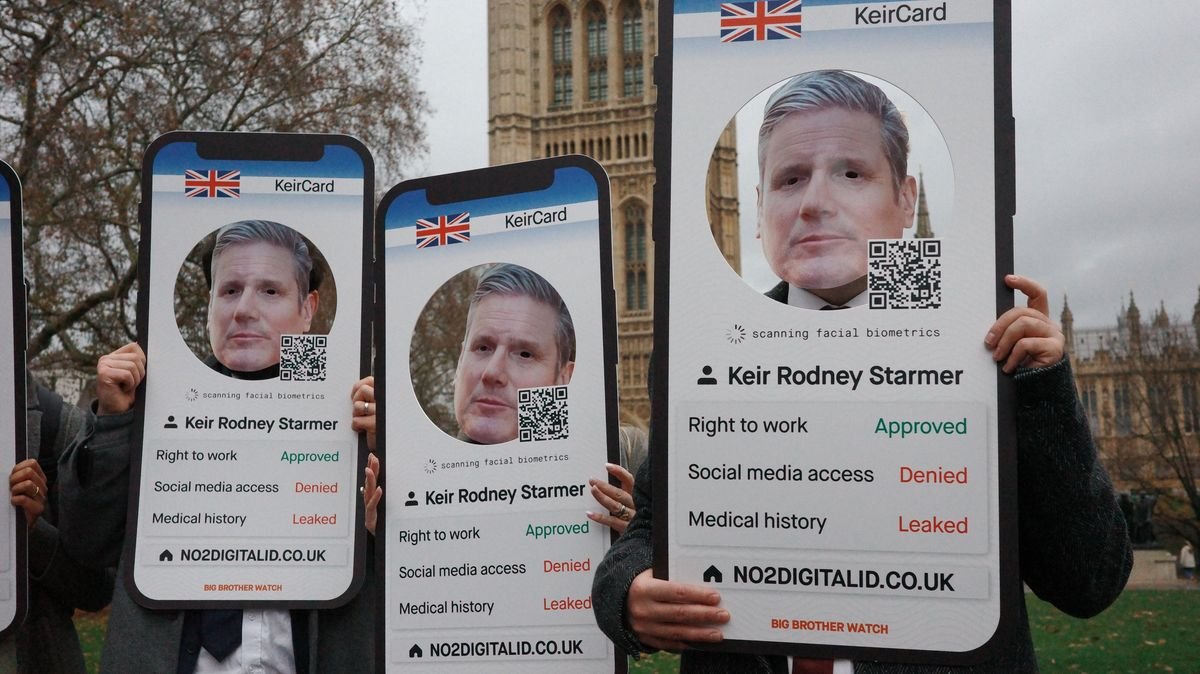

Andy Burnham has promised to eliminate the digital ID program as part of a “reassessment of priorities” once he becomes Prime Minister. The new leader of the Labour Party has pledged to abandon the contentious scheme and allocate resources to other areas instead.
Last September, Keir Starmer had announced that digital ID would become compulsory for demonstrating the right to work in the UK by 2029. However, this decision faced significant opposition, including a petition with three million signatures urging the government to reconsider.
Despite previous adjustments to the plans that removed the requirement for digital ID usage, the scheme will now be entirely scrapped. A spokesperson for Mr. Burnham stated that the government’s focus will shift towards addressing immediate needs, such as relieving financial burdens on citizens, rather than implementing a national ID system.
Although employers will still be obligated to conduct right to work checks, which can be done digitally, the emphasis will now be on empowering local communities. This move reflects the new administration’s commitment to devolving power away from central authorities and prioritizing the well-being of the populace.
Mr. Burnham is scheduled to deliver his inaugural address as Prime Minister on Monday, outlining strategies to alleviate cost-of-living pressures and foster economic growth across the country. The decision to scrap the digital ID scheme is seen as an early indication of the government’s revised agenda under his leadership.
Criticism had been directed at the rushed implementation of digital ID plans without sufficient policy groundwork or public consultation, according to the cross-party Home Affairs Committee. Recent polling also revealed widespread apprehension among UK residents about potential surveillance associated with digital ID usage.
Deltapoll’s survey indicated that a majority of individuals are worried about the government tracking them through digital ID and are concerned about the monitoring of its usage. This shift in policy aligns with the Labour Party’s vision of addressing community needs and promoting transparency in government initiatives.