


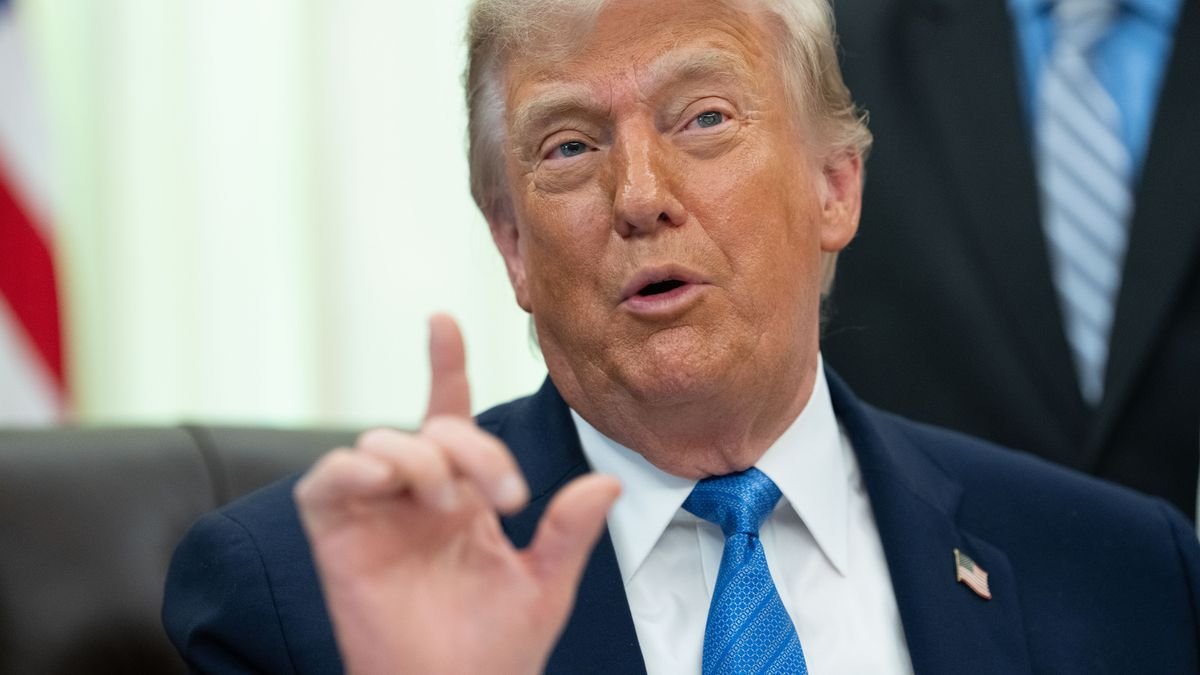

A peace agreement between the US and Iran is set to be finalized soon, allowing unrestricted access to the Strait of Hormuz while imposing restrictions on Iran’s nuclear activities, as announced by President Donald Trump. The signing of the truce is expected within hours, according to Trump’s recent social media post on Truth Social.
However, Iran’s Foreign Ministry spokesman, Esmaeil Baghaei, mentioned that the deal signing may face delays due to perceived inconsistencies from the US side, urging caution from Iran’s end. Trump also hinted at potential consequences if the agreement encounters obstacles, emphasizing the need for a smooth resolution.
Notably, Pakistani Prime Minister Shehbaz Sharif expressed optimism about nearing a peace settlement, while Israeli President Isaac Herzog conveyed birthday wishes to Trump, praising his efforts in countering Iran’s activities. In contrast, Israel’s opposition leader criticized the potential ceasefire agreement, labeling it a failure and calling for strategic corrections post the conflict.
Regarding recent developments, the US administration and Iranian officials are engaged in discussions to finalize the peace deal, with considerations on reopening the vital Strait of Hormuz and dismantling Iran’s nuclear program. Despite various speculations and statements, the exact terms of the agreement remain undisclosed, raising uncertainties about the deal’s implications.
In parallel, global responses to recent events include UK’s support for peace efforts, reports of military activities in southern Lebanon, and remarks from Iranian leaders asserting their country’s stance in the conflict. As the diplomatic negotiations progress, the focus remains on achieving a lasting resolution and restoring stability in the region.