


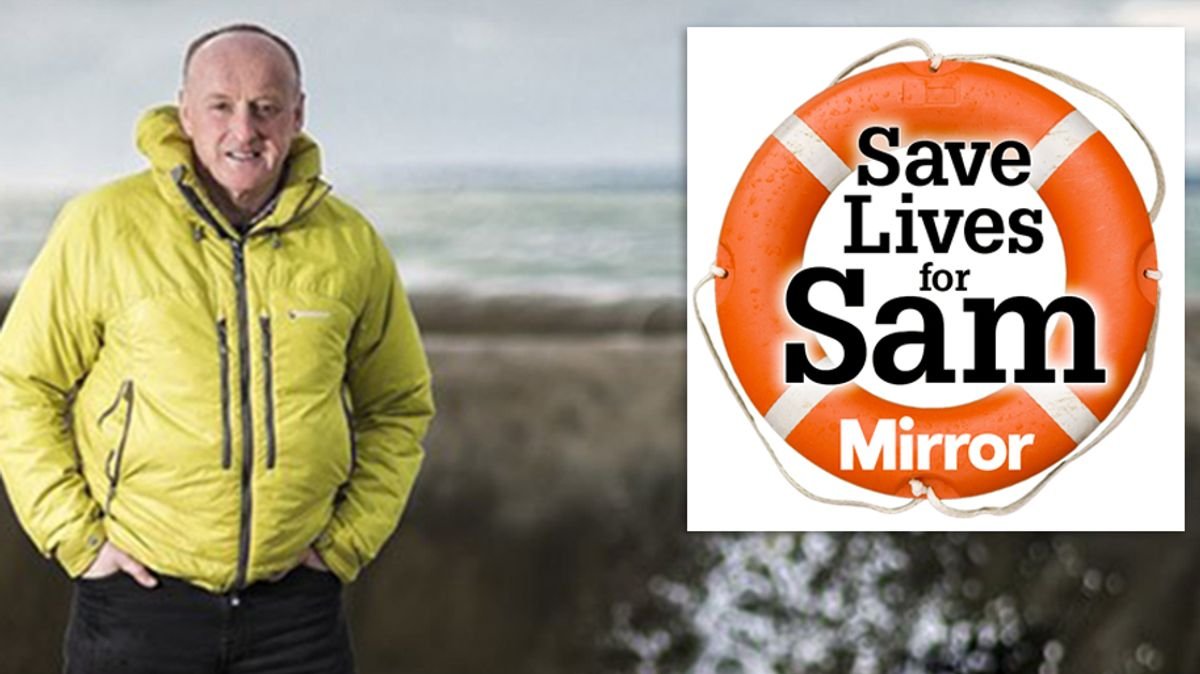

Swimmers who enter open water face a deadly risk known as “cold shock,” which can lead to involuntary gasping and potential drowning within seconds. Even a wave crashing over one’s face can result in inhaling significant amounts of water, with as little as one-and-a-half liters being enough to cause an adult to drown. The term ‘cold shock’ was coined by Professor Mike Tipton, a renowned expert on extreme environments in the UK, during the 1980s to describe the body’s response to sudden immersion in cold water.
Professor Tipton has expressed concerns that climate change has heightened the danger of cold shock, with the peak response occurring between 10°C and 15°C. The recent spike in temperatures, with air temperatures reaching the 30s while water temperatures remain in the low teens, has created a concerning scenario leading to a significant increase in fatalities. The abnormal combination of air and water temperatures in May has resulted in a tragic toll, with almost three times the usual number of drowning deaths recorded.
Cold shock is an involuntary physiological reaction triggered by rapid skin temperature cooling upon immersion in water below 15°C. This response, characterized by gasping and loss of breath control, significantly elevates the risk of drowning, especially in cold water environments. The body’s fight or flight response to the sudden cold exposure can also pose risks to individuals with pre-existing cardiovascular conditions, as the heart is forced to work harder to maintain blood flow.
In case of sudden immersion in cold water, it is crucial to remain calm and avoid thrashing or attempting to swim. Floating on your back, tilting your head back to keep your mouth above water, and focusing on controlled breathing are essential survival tactics during the initial 90-second shock period. If witnessing someone in distress in the water, it is advised to contact emergency services immediately, instruct the person to float, and provide assistance by throwing them a flotation device.
The period between May and June poses the highest risk for cold water shock due to the rapid rise in air temperatures while water temperatures remain cold. Drowning risk escalates by 70% when air temperatures exceed 30°C, luring people to water bodies that maintain dangerously low temperatures. Awareness and adherence to safety measures, such as proper floating techniques and seeking help when needed, are crucial in preventing cold shock-related tragedies.