



In Mityana, a central Ugandan town, numerous social media accounts across platforms like Instagram, TikTok, Facebook, and YouTube purporting to raise funds for pet shelters have come under scrutiny for potential fraudulent activities. According to data from the BBC, these accounts amassed over £540,000 in donations over five years via the GoFundMe platform. Concerns have been raised about possible scamming practices associated with these fundraisers.
A recent investigation by BBC Africa Eye, shared with The Mirror, has uncovered the deceptive practices of these accounts. An undercover reporter exposed a large-scale scam that exploited the plight of dogs in Mityana, prompting donations from compassionate individuals worldwide. The proliferation of videos showcasing distressed dogs and continuous name changes of these accounts raised suspicions.
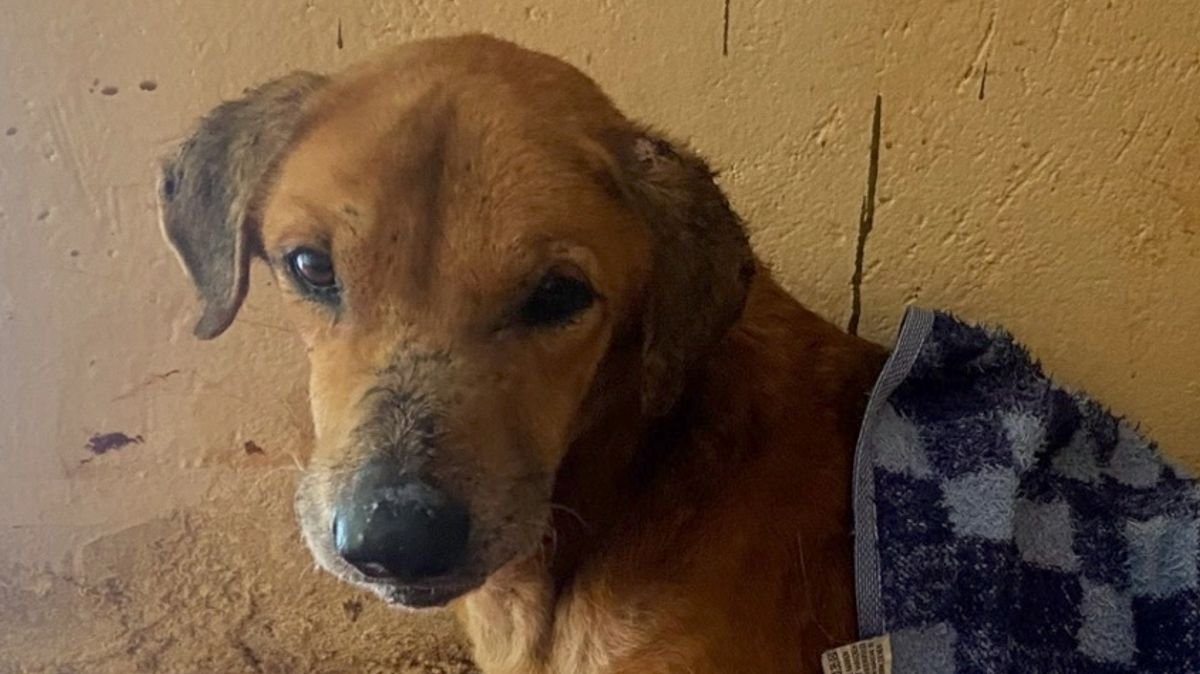
One distressing incident involved a TikTok video portraying an injured dog named Russet, allegedly seeking donations for urgent medical care. Despite generous donations, Russet succumbed to his injuries, revealing a disturbing pattern of exploitation and neglect. Dr. Isa Lutebemberwa, the attending veterinarian, expressed shock at the extent of the injuries and the manipulation of the dog’s suffering for profit.
Victims like Lianne Stone, a dog lover from Manchester, fell prey to the elaborate scheme, donating substantial sums in the belief they were aiding distressed animals. Investigations revealed that a significant portion of online fundraisers linked to Ugandan pet shelters, particularly in Mityana, misappropriated funds for personal gain, including luxury items and extravagant expenses.
The unethical practices extended to the physical mistreatment of animals, with dogs confined in squalid conditions and subjected to abusive filming tactics to evoke sympathy and solicit donations. Lianne’s realization of the deceitful nature of these operations highlighted the urgent need for stricter regulation and oversight in the animal welfare sector.
In response to these revelations, social media platforms like TikTok have emphasized their commitment to combating animal abuse and fraudulent schemes, swiftly removing violative content. Fundraising platforms like GoFundMe have assured users of stringent security measures and encouraged reporting of suspicious activities to prevent further exploitation.
The exposé serves as a sobering reminder of the risks posed by online scams targeting vulnerable animals and compassionate donors. Efforts to enhance transparency and accountability in the fundraising ecosystem are crucial to safeguarding both animal welfare and public trust in charitable initiatives.