


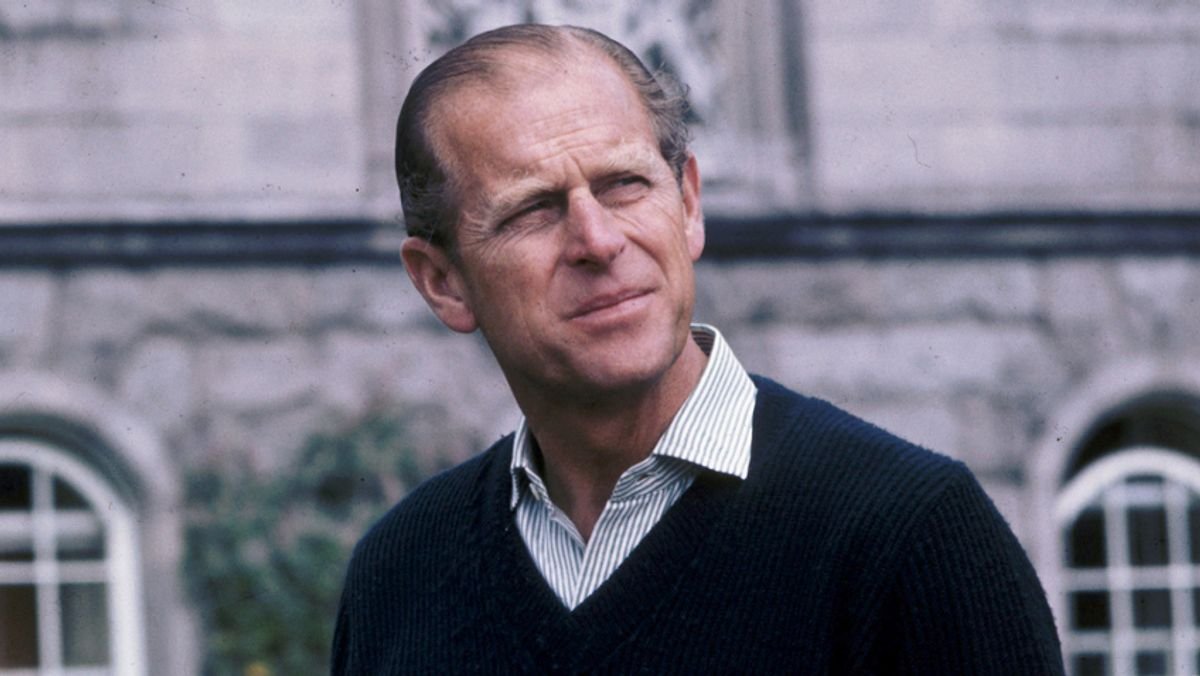

The personality traits of Prince Philip during his youth have recently come to light through an unearthed school report from his time at Gordonstoun School in Scotland. The records, now on display at the National Archives in London, provide insights into Philip’s teenage years. In 1938, the school’s founder, Dr. Kurt Hahn, noted Philip’s occasional temper outbursts but also highlighted his willingness to engage in challenging tasks.
Describing the late Queen’s husband as a “born leader,” Dr. Hahn emphasized that Philip excelled in demanding roles but needed significant challenges to showcase his abilities fully. Despite occasional temperamental issues, Philip was appointed school captain due to his widespread popularity and respect among peers.
Although recognized for his leadership qualities as captain of the cricket and hockey teams, Philip’s temper was identified as his primary weakness. Dr. Hahn cautioned that impulsiveness could be a risk factor for him. Additionally, the school commended Philip for his service-oriented attitude, remarkable courage, and endurance.
The report also praised Philip’s ability to captivate an audience, citing his meticulous approach to tasks under pressure. Academically, Philip received commendable grades for intelligence and adaptability, particularly excelling in German language studies and showing a keen interest in Greek military history.
Furthermore, the report highlighted Philip’s involvement in the Seamanship Guild at Gordonstoun, where he demonstrated a strong work ethic and trustworthiness during expeditions in Norway and Scotland. The school, known for its rigorous educational methods, has seen a legacy with King Charles, who also attended Gordonstoun in his youth.
In summary, Prince Philip’s school report paints a picture of a multifaceted individual with leadership potential, academic prowess, and a commitment to service and hard work.