


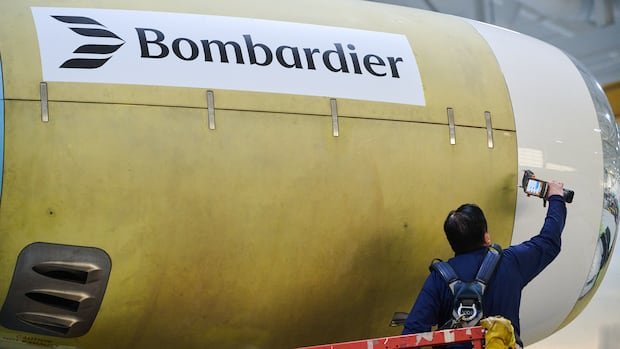

U.S. President Donald Trump has reversed his decision to prohibit the sale of Bombardier planes in the United States, easing tensions in the aerospace industry following recent trade disputes. Trump announced the shift during a campaign rally, acknowledging Bombardier’s presence in Kansas and expressing willingness to support the company and its employees.
The city of Wichita, Kansas, is a significant location for Bombardier’s defense division, employing around 3,500 American workers across multiple states. The president’s change of heart came after a phone call from Kansas Republican Senator Roger Marshall, highlighting the state’s political significance as it becomes a battleground for Republicans and Democrats leading up to the midterm elections.
Last month, Trump threatened to ban Bombardier aircraft sales unless the company relocated its operations to the U.S., despite potential negative impacts on American workers. Bombardier responded by emphasizing its substantial contributions to the American aerospace industry, including investments in skills development centers and support for numerous jobs.
The company’s commitment to the U.S. market was further underscored by its substantial financial contributions to American suppliers and its role in supporting high-skilled jobs. Despite initial concerns raised by Trump’s threats, Bombardier shares saw a positive response in the market, reflecting investor confidence in the company’s operations.
While tensions between the U.S. and Canada have escalated in recent months with retaliatory tariffs and trade disputes, Bombardier remains a key player in the aerospace sector. The company’s significant U.S. presence and reliance on American components underscore the interconnectedness of aerospace manufacturing across North America.
Trump’s reversal on the Bombardier issue marked a notable shift in his approach to trade relations, following earlier confrontations with the company and its Canadian-made products. Despite past disagreements, Bombardier’s importance to both Canada and the U.S. remains evident, with the company playing a crucial role in supporting jobs and economic growth in the region.