


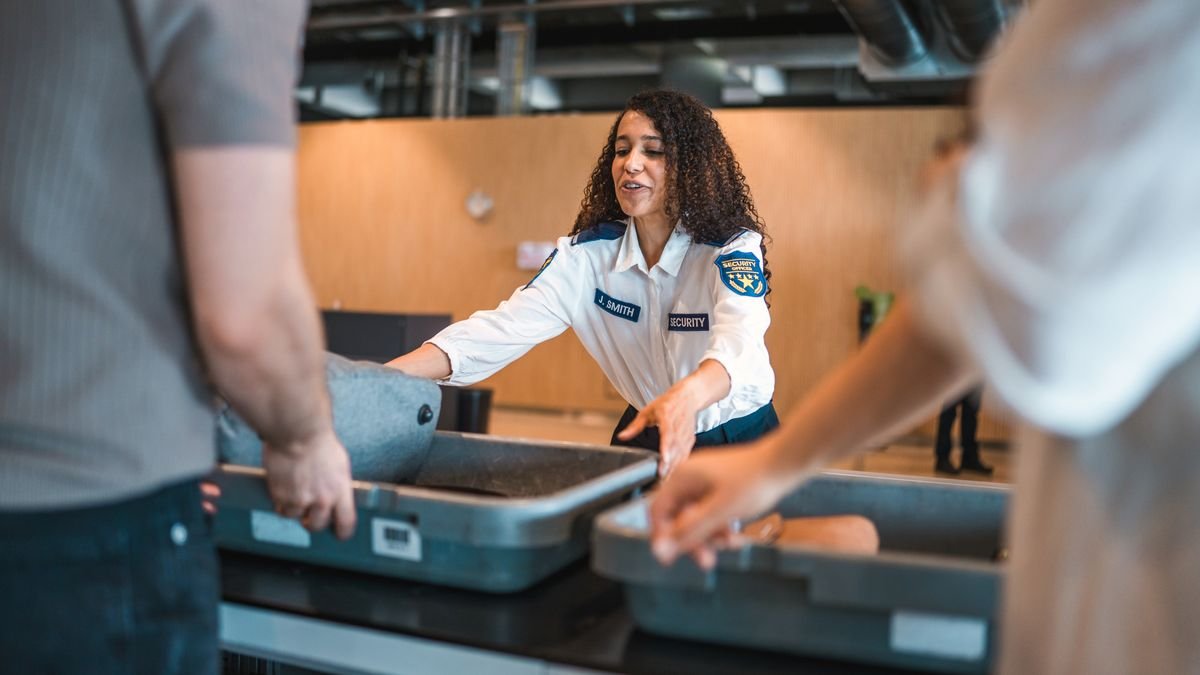

Packing for a trip can sometimes feel like maneuvering through a tricky situation, as there are strict guidelines on what you can and cannot bring in your luggage. While certain prohibited items are obvious, others may appear innocent but could still cause delays during airport security checks.
One common item allowed by major airlines like Ryanair, Jet2, TUI, easyJet, and British Airways is a simple bar of soap. However, if security officers have trouble identifying it clearly on the scanner, it might attract attention and lead to additional screening. To prevent any hiccups, travelers are advised to pack toiletries in a manner that allows for easy inspection.
Although a bar of soap, which can be purchased for a nominal price, seems harmless, it’s not the soap itself that poses a concern. The issue arises from how solid items may appear on security scanners, especially when packed alongside electronics or other dense belongings, making X-ray interpretation challenging.
Airport security personnel do not typically search luggage solely because it contains a bar of soap. Nevertheless, dense items can complicate X-ray readings, potentially triggering additional checks if officers cannot clearly identify them, as mandated by safety protocols.
While soap is obviously safe, if a bar of soap causes an alert on the scanner, security staff are obligated to investigate further. The US Transport Security Agency (TSA) notes that dense items like soap can obstruct X-ray images, necessitating physical searches or swab testing to clear any potential threats.
Solid soap bars are permitted in both hand luggage and checked bags, as stated by GOV.UK. Security officers retain the right to manually inspect any item that poses identification challenges during screening, irrespective of its permissibility.
To reduce the risk of bag inspections, experts recommend keeping dense items easily accessible and, if requested, placing them in a separate tray during screening. Avoid storing them alongside electronics in metal tins or plastic cases that could obscure X-ray images.
It’s crucial to differentiate between solid soap and liquid toiletries. While bars of soap are exempt from liquid restrictions, liquid products like shower gels in hand luggage typically need to be in containers under 100ml, unless advanced security scanners allowing larger liquids are in place at the airport.
These regulations apply universally across airlines, as airport authorities conduct baggage screening independently of specific carriers. Manual inspections are precautionary measures and do not imply rule violations or prohibited items in your luggage.
Taking a moment to pack toiletries thoughtfully can streamline your security checkpoint experience. Even though a modest bar of soap is permissible for travel, storing it sensibly can help avoid unwarranted delays at the start of your journey.