


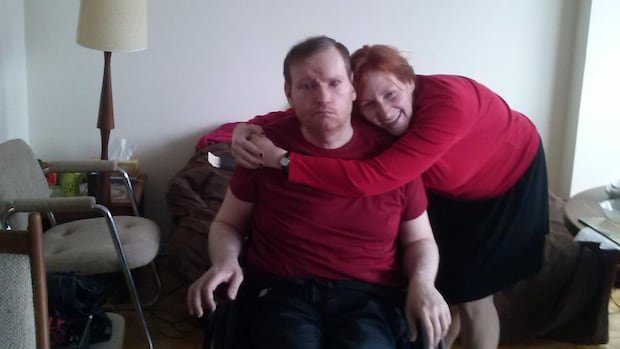

Simone Abrahamsohn, a Toronto resident, shared a personal perspective on her experience in assuming the role of her brother’s primary caregiver after the passing of their mother. Juggling the responsibilities of caregiving and fostering a harmonious living arrangement for two neurodivergent middle-aged siblings presents its challenges.
Abrahamsohn’s brother, Stuart, is autistic and a survivor of a left-brain stem stroke. His care requirements include being handfed due to a tremor, assistance with mobility, grooming, and emotional support. Stuart’s emotional lability and sensitivity to loud sounds add complexity to their dynamic.
Reflecting on past experiences, Abrahamsohn recalled moments of embarrassment and sadness due to societal misunderstandings of her brother’s neurodivergence. She acknowledged similarities in managing her own ADHD through masking and emotional regulation techniques, striving to minimize triggers that may disrupt their living environment.
Growing up without the support systems available today, Abrahamsohn emphasized the importance of creating a supportive and inclusive environment for neurodivergent individuals. She shared her journey of self-discovery and acceptance, recognizing the need for mutual understanding and respect in their sibling relationship.
By prioritizing Stuart’s agency and involvement in decision-making, Abrahamsohn aims to foster a mutually beneficial living arrangement. While adjustments, external support, and personal sacrifices have been necessary, she views the opportunity to care for her brother as a second chance to strengthen their bond and create a fulfilling life together.
Despite the challenges and lifestyle changes, Abrahamsohn remains committed to providing a nurturing and supportive environment for both herself and her brother as they navigate their unique neurodivergent journey.