


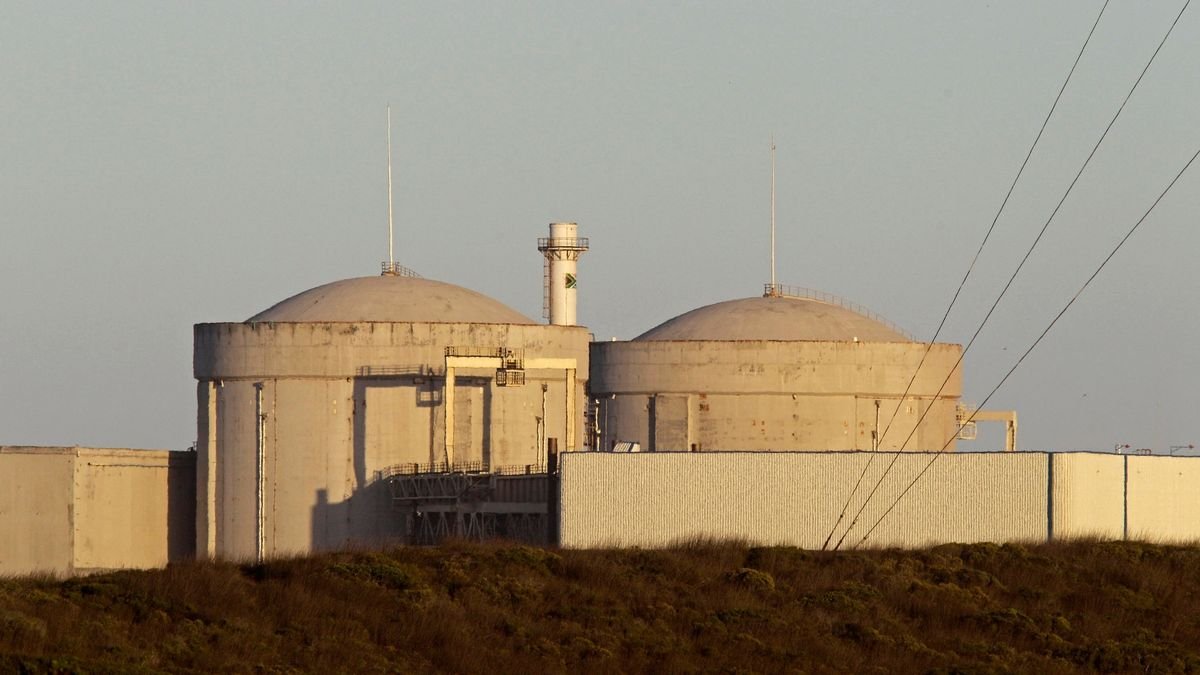

South Africa’s Koeberg Power Station experienced three incidents of “airborne radioactive contamination” following power outages. The events occurred on June 30, July 2, and July 7 within the continent’s sole nuclear power facility.
The South African nuclear regulatory authority confirmed that the radioactive material remained contained within the power station premises and did not pose any threat to the public. The incidents were attributed to elevated airborne radioactive contamination due to ventilation unit power loss during maintenance operations on the west coast of South Africa.
Workers at the plant were screened for potential exposure, and their recorded radioactive contamination levels were below those typically encountered during a routine dental X-ray. The regulatory body stated that these events did not meet the criteria for classification as a nuclear or radiological emergency and did not result in any off-site radiological impact.
Situated approximately 25 miles north of Cape Town, Koeberg Power Station is the only commercial nuclear facility in Africa, inaugurated in the 1980s. It operates two reactors contributing about 5% of South Africa’s electricity supply under the management of national utility company Eskom. Recently, the plant’s reactors received approval for 20-year extensions, allowing operations until after 2040.
South Africa intends to enhance its nuclear energy capabilities by constructing new facilities to address its unreliable and polluting energy sources, primarily reliant on coal, to meet the demands of a growing population. Despite safety concerns linked to past nuclear disasters like Chernobyl and Fukushima, many countries are embracing nuclear power to meet rising energy needs.
Various African nations, including Egypt, are progressing with their commercial nuclear projects. Egypt is constructing its maiden nuclear power station featuring four sizable Russian reactors, aiming for operational readiness by 2030 to generate around 10% of the nation’s electricity, as reported by the World Nuclear Association.