


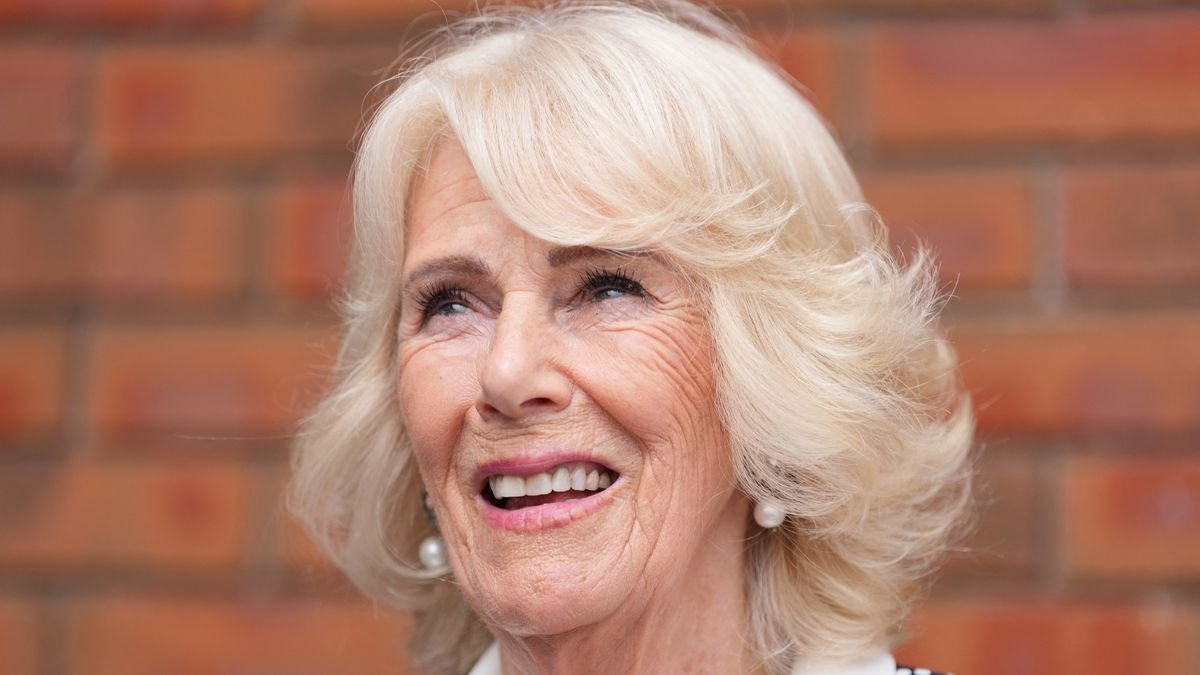

Queen Camilla inaugurated a new rooftop garden at a hospital in London, designated as an outdoor facility for the benefit of the hospital’s most severely ill patients. Accompanied by Mark Lowcock, Chair of Epsom and St Helier’s NHS Hospitals Trust, Queen Camilla visited St George’s Hospital to tour the facility, where she interacted with staff in the neuroscience wing. During the visit, the Queen conversed with the matron of the neuroscience ward, who shared her tenure at the hospital since 2004, surprising Queen Camilla with her 22 years of service on the ward.
Subsequently, Queen Camilla proceeded to the outdoor ward, where she greeted patients, including one who had been hospitalized for 12 weeks. Expressing her admiration for the outdoor space and its potential impact, the Queen commended the initiative. Following the unveiling of the plaque to officially open the Neuro Intensive Care Balcony Garden, Queen Camilla expressed her delight at witnessing the positive effects of stepping outside into the fresh air and commended the project, receiving a floral bouquet upon departing.
The newly established outdoor sanctuary is a collaborative effort between the John King Brain Tumour Foundation and St George’s Hospital Charity. Once an unused area, the garden now serves as a green space accessible to patients receiving critical neurological care, offering them exposure to fresh air, natural light, and a connection to the outdoors while under expert clinical supervision.
The concept of an ‘outdoor ward’ has been adopted by several hospitals in London, with King’s College Hospital recently opening an outdoor critical care room on its rooftop, pioneering the initiative in the UK. The rooftop garden can accommodate up to six beds, ensuring patients have easy access to essential medical supplies within a weatherproof cabinet, mirroring the care provided in a standard unit.
Dr. Tom Best, Clinical Director of King’s Critical Care, emphasized the significance of the outdoor critical care unit in providing a holistic approach to patient care. He highlighted the benefits of nature exposure in reducing delirium, improving recovery outcomes, and uplifting patient spirits, aligning with the hospital’s commitment to addressing the mental and physical well-being of patients.
The integration of outdoor spaces into healthcare facilities demonstrates a progressive approach to patient care, emphasizing the therapeutic benefits of nature in promoting healing and well-being.