


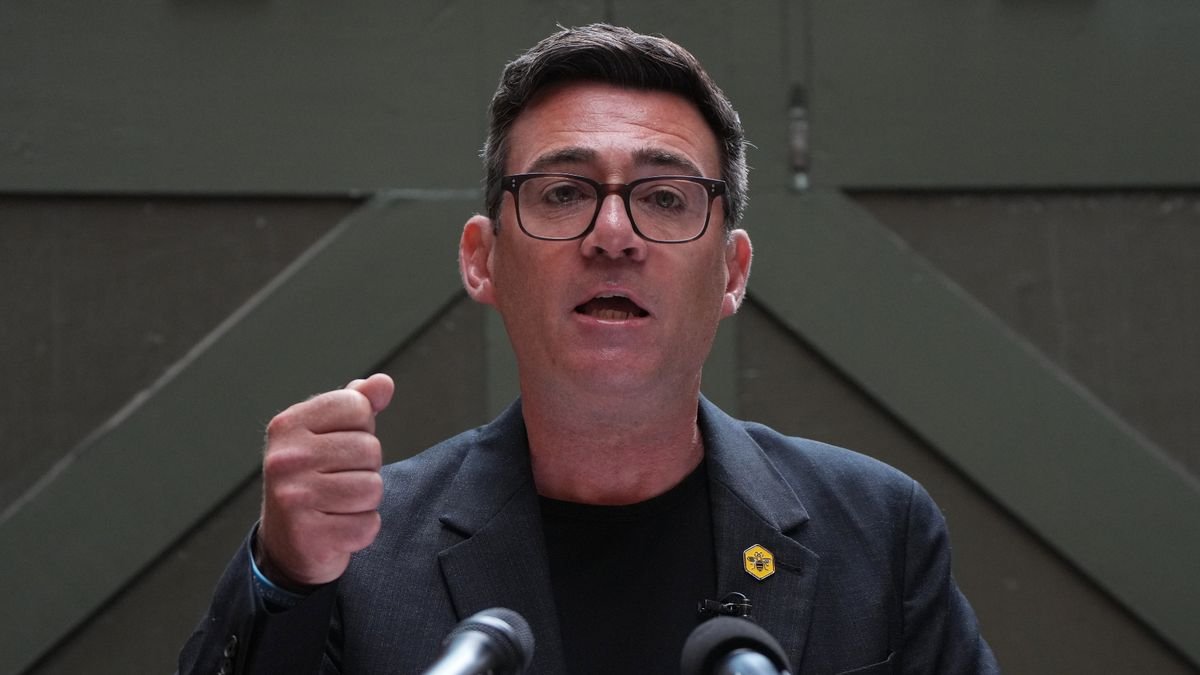

PM-in-waiting Andy Burnham faces a significant challenge in addressing regional inequalities, as experts emphasize the need for unprecedented levels of investment. According to the Resolution Foundation, the income gap between affluent and impoverished regions has remained consistently wide for three decades. London’s Gross Household Disposable Income (GHDI) per person stands at £27,900, which is substantially higher than Northern Ireland’s £17,300.
The disparity in disposable incomes is stark, with Kensington and Chelsea recording £60,584 per person compared to Leicester’s £13,398, highlighting the entrenched nature of these gaps nationwide. Alarmingly, over half of the councils in the lowest income bracket in 1997 remained in that position as of the latest available data in 2023.
Ruth Curtice, Chief Executive of the Resolution Foundation, pointed out that the wealth gap between areas like Kensington and Chelsea and Leicester persists at levels seen 30 years ago. While there have been improvements in employment and pay differentials, major cities in the UK continue to lag behind in economic performance.
Andy Burnham has prioritized addressing regional inequality, recognizing the need for substantial investments in transportation, housing, and broader economic development. Failure to address these disparities could lead to enduring economic and political consequences for the country.
In a recent speech, Burnham outlined plans for a “No10 North” center in Manchester, aiming to decentralize power and empower local leaders to drive community revitalization. He stressed the importance of nurturing growth from the grassroots level, signaling a shift away from centralized governance.