


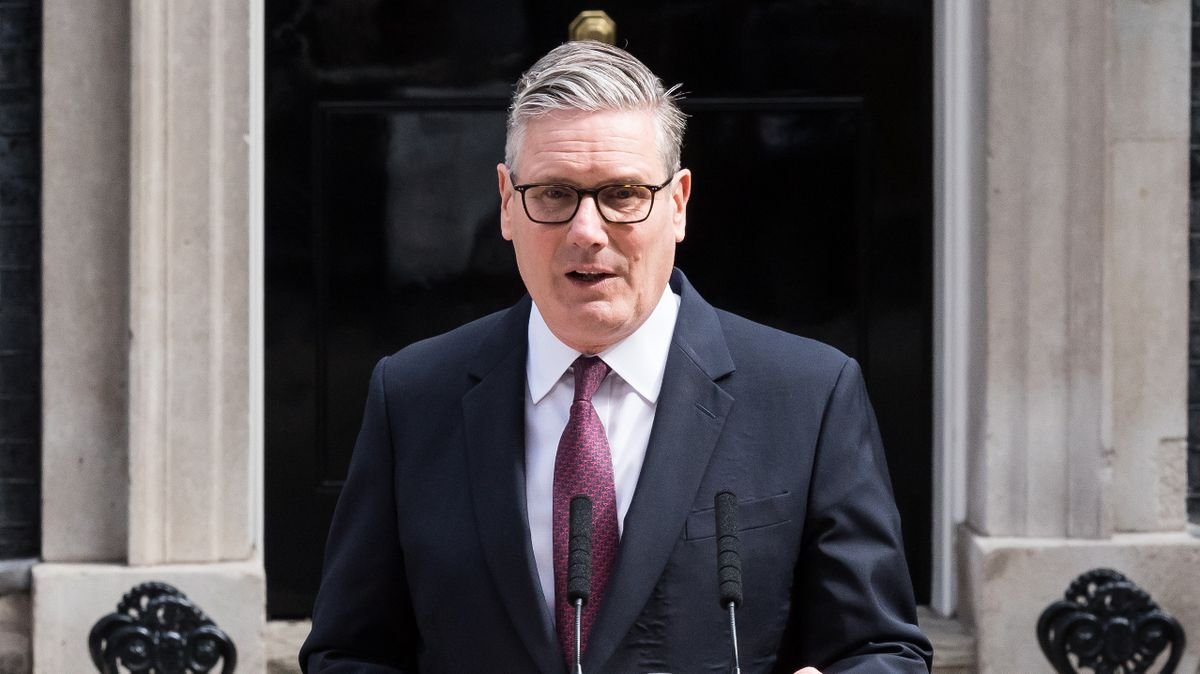

A transition in leadership can have a significant impact on various aspects of household finances, from mortgage rates and tax policies to overall economic confidence, regardless of an immediate general election. According to personal finance expert Jasmine Birtles, the effects of a new Prime Minister can extend beyond the surface perception of political drama to directly influence financial matters.
Changes in government leadership can swiftly impact household finances through the financial markets. Concerns regarding uncertainty, government borrowing, or shifts in economic direction can lead to fluctuations in government borrowing costs and overall market confidence. Consequently, mortgage lenders might adjust their rates, especially if there are expectations of altered public spending, tax adjustments, or a less predictable fiscal strategy.
While not every change in Prime Minister will result in a sudden surge in mortgage rates, the perceived stability of the incoming leader plays a crucial role. If the new leader is viewed as reliable and likely to maintain current financial plans, market reactions may remain stable. However, any doubts regarding the government’s economic approach could prompt lenders to increase mortgage rates or reduce competitive deals.
Moreover, a change in Prime Minister may not directly trigger a new Budget but could result in shifts in the government’s tax priorities. An incoming PM might seek to distance themselves from their predecessor by reevaluating tax and spending strategies, potentially impacting areas such as inheritance tax, fuel duty, pension rules, council tax, or income tax thresholds.
Even if headline tax rates remain unchanged, households could still be affected by subtle adjustments like frozen thresholds and allowances, gradually pushing more income into higher tax brackets over time. Subtle tax alterations, rather than overt increases, can significantly impact individuals’ financial burdens.
Furthermore, a change in leadership often prompts a review of welfare and support programs, potentially affecting cost-of-living assistance, Universal Credit regulations, disability benefits, pension schemes, Winter Fuel Payments, and the state pension triple lock.
Additionally, public spending debates may resurface following a leadership change, influencing benefits, tax credits, and pension support schemes. The overall political climate set by a new Prime Minister can impact business confidence, investments, and employment trends, potentially leading to shifts in housing policies affecting rental rights, housebuilding, and property prices.
In essence, a change in Prime Minister, though not an immediate threat to household bills, can impact finances through nuanced channels such as tax policies, mortgage rates, benefits, business confidence, and future public spending decisions. Furthermore, if a new Prime Minister deems it necessary to seek a fresh public mandate, taxpayers would likely bear the costs of another general election.