


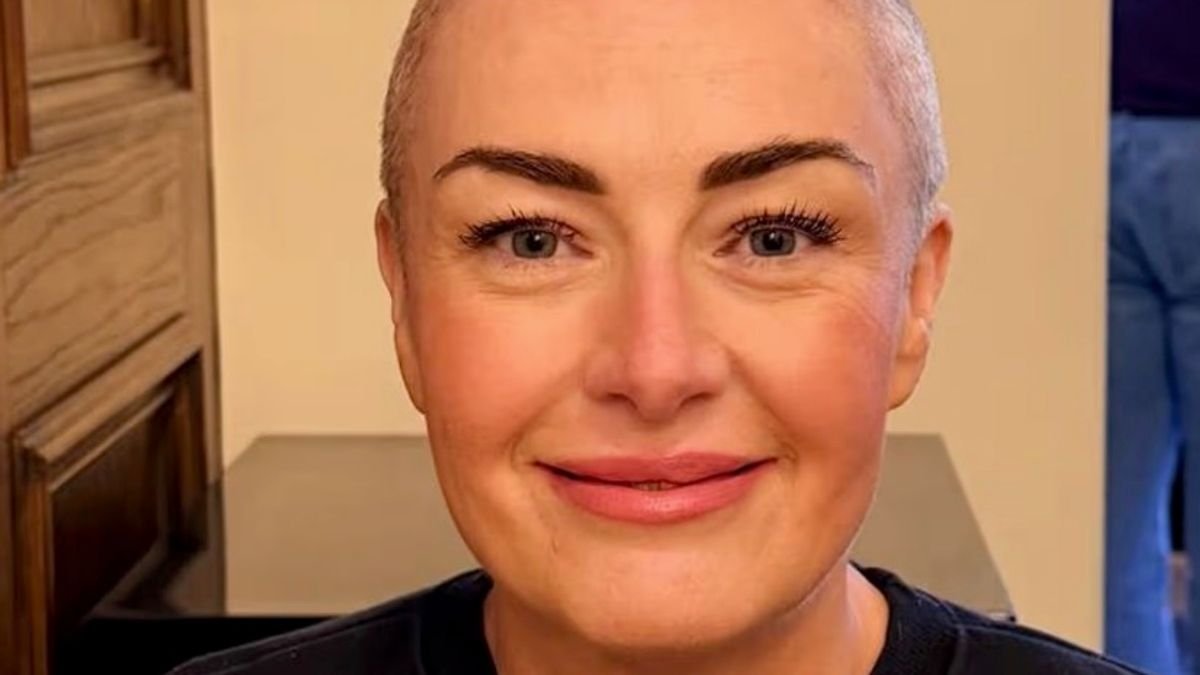

A Glasgow woman initially mistook her night sweats and sleep disturbances for a common cold but was later shocked to learn she had blood cancer. Ann Wraith, a mother of one, sought medical advice after feeling unwell and was diagnosed with myeloma, a type of cancer originating from abnormal plasma cells.
Expressing her disbelief, Ann shared, “I suspected something was off, prompting me to seek blood tests from my GP. The cancer diagnosis came as a complete surprise just two weeks later.” Upon receiving the news, she felt overwhelmed and isolated, as her daughter couldn’t visit due to age restrictions, leaving her to face the challenges alone.
Myeloma, although treatable, remains incurable, forcing Ann to adapt to a new reality while juggling her roles as a parent, spouse, and friend. The symptoms of blood cancer are diverse, including persistent pain, fatigue, recurring infections, and unexplained bone issues, complicating the diagnostic process.
Ann recalled her struggle with what she thought was a stubborn cold, disrupted sleep patterns, extreme fatigue, and unexplained leg pain lasting for months. Following her diagnosis, she underwent a stem cell transplant and endured a three-week hospital stay away from her family, enduring both physical and emotional hardships during the treatment.
Reflecting on her journey, Ann highlighted the often overlooked psychological toll of living with myeloma. She emphasized the importance of not dismissing unusual symptoms and encouraged seeking medical attention promptly. Throughout her treatment, Ann found solace in the support provided by the Beatson Cancer Charity, making her experience more bearable.
The charity’s assistance, ranging from community gatherings to hospital and community-based support, helped Ann navigate her recovery journey. Grateful for the ordinary moments she once took for granted, Ann emphasized the value of cherishing simple joys and celebrating even the smallest victories in life.
A spokesperson from the Beatson Cancer Charity stressed the significance of raising awareness about myeloma and its symptoms, underlining the impact of early diagnosis on treatment options and outcomes.