


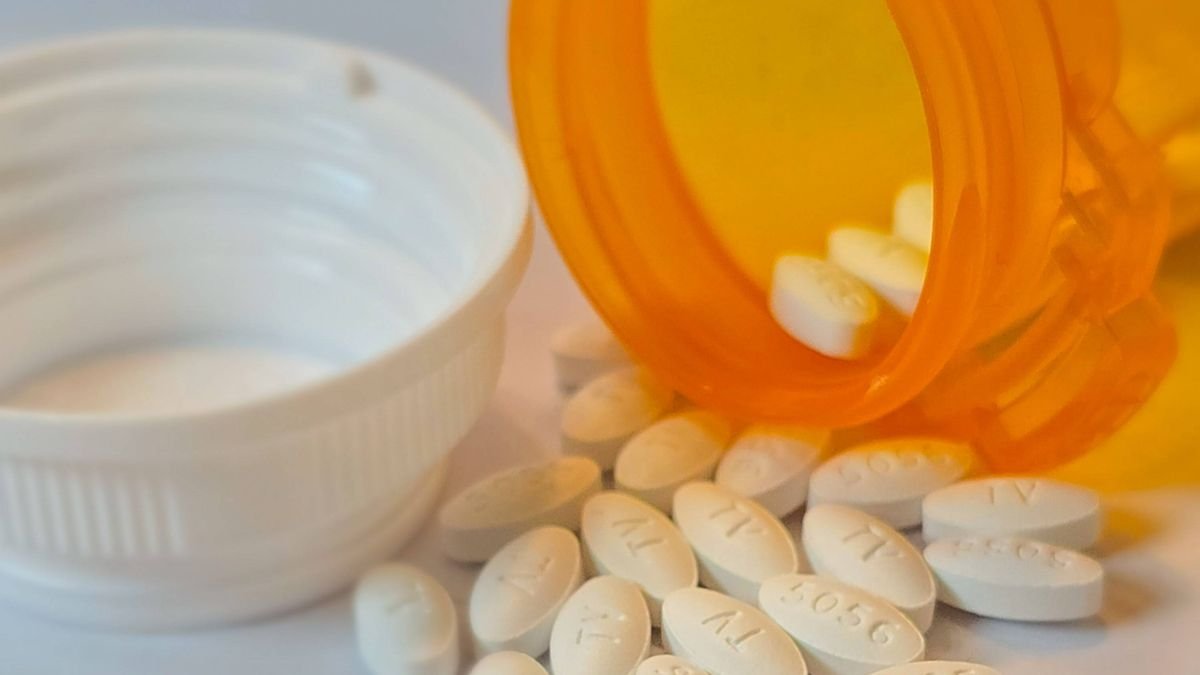

A new medication could offer a potential solution for managing high cholesterol levels, as indicated by researchers. They have identified how heightened cholesterol levels can weaken the liver’s natural defenses, and have introduced a novel drug that may counteract this process.
Heart disease associated with cholesterol remains the primary global cause of mortality. Despite the availability of various treatment options, such as statins, many individuals still struggle to achieve healthy cholesterol levels or experience difficulties with the side effects of current medications.
In the UK, medical practitioners commonly prescribe Atorvastatin (Lipitor) and Simvastatin (Zocor) to regulate high cholesterol and prevent heart disease. Atorvastatin is usually the primary option for more robust treatment, although alternatives like Fluvastatin, Rosuvastatin, and Pravastatin also exist.
While medications like Atorvastatin (Lipitor) and other statins may lead to muscle discomfort in some patients, severe muscle damage is rare, and many individuals do not experience adverse effects.
American researchers have unveiled a previously undiscovered biological mechanism that elucidates how diets rich in cholesterol gradually impair the body’s ability to eliminate harmful low-density lipoprotein (LDL) – commonly known as bad cholesterol – from the bloodstream. The team from the University of California San Diego School of Medicine has also identified a potential drug candidate that has been demonstrated as safe in human trials and could potentially address this issue.
Professor Alan Saltiel, the senior author of the study, explained that the liver plays a crucial role in extracting cholesterol from the blood for processing and distribution throughout the body. This process is facilitated by LDL receptors on liver cells, which function as docking stations to remove LDL cholesterol from the bloodstream. The researchers’ findings, published in the journal Nature, were based on experiments involving mice and human cells.
The study revealed a previously unknown mechanism that hinders the body’s cholesterol removal process, leading to a reduction in LDL receptors and an increase in blood cholesterol levels. The activation of a protein called Ral by high dietary cholesterol levels initiates this process, ultimately impacting the availability of LDL receptors. The mechanism is dependent on an enzyme called cathepsin A, or CTSA.
By inhibiting CTSA with a small molecule inhibitor, the research team successfully stabilized LDL receptors and significantly reduced circulating LDL cholesterol in mice. Professor Saltiel emphasized the importance of new cholesterol-lowering options, especially for individuals who struggle to reach target levels with existing medications.
The discovery of this new pathway presents an opportunity to develop innovative treatments that target this mechanism, potentially providing a new therapeutic option for patients. The investigational drug, originally intended for heart failure treatment, has already undergone initial safety assessments in a Phase 1 clinical trial, positioning it for further evaluation in a Phase 2 trial focusing on high cholesterol.
Professor Saltiel expressed optimism about the potential effectiveness of the investigational drug in addressing high cholesterol levels, highlighting the opportunity to expedite the development of new treatment options for patients in need.