


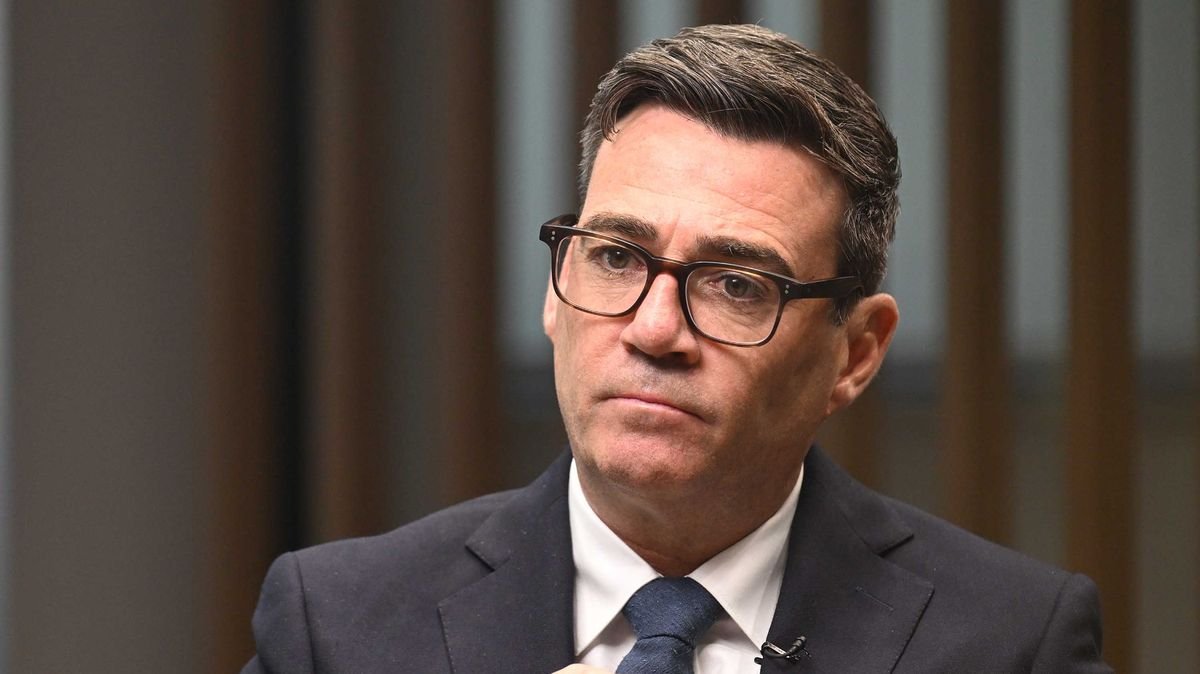

Andy Burnham is reportedly contemplating the implementation of a new “death tax” aimed at generating substantial funds for adult social care. During his tenure as health secretary under Gordon Brown from 2009 to 2010, Burnham had expressed support for replacing Inheritance Tax with a 10% levy on all estates to finance free social care.
When asked about his current stance on this proposal, Burnham’s official spokesperson refrained from providing details, indicating that an update on the matter would be forthcoming later in the week. Emphasizing the necessity of establishing a new system, Burnham highlighted the potential collapse of the NHS if the issue of caring for individuals not suited to the NHS system was left unaddressed.
The Prime Minister is scheduled to address social care matters this Wednesday, cautioning that a definitive timeline for action cannot be confirmed at present. Instead of immediate alterations, it is speculated that the PM may accelerate the Casey Commission, an independent review focused on adult social care.
Currently, a limited number of families are subject to Inheritance Tax obligations due to existing regulations and allowances. In the UK, approximately 31,500 estates face an Inheritance Tax levy annually, triggered by estates valued above £325,000, with a standard tax rate of 40% on amounts exceeding this threshold.
Various exemptions and allowances can impact the Inheritance Tax threshold significantly, such as the absence of tax when leaving an estate to a spouse or civil partner. Additional allowances, like the £175,000 exemption for passing on a home to descendants, can elevate the overall Inheritance Tax threshold to £500,000.
For married couples or civil partners, any unused Inheritance Tax allowance can be transferred upon death, potentially enabling the passing on of up to £1 million tax-free. Strategies exist to mitigate Inheritance Tax liabilities, including a reduced tax rate of 36% on assets if a charitable donation of at least 10% of the estate’s net value is stipulated in the will.
Introducing a 10% levy on estates would result in a fixed payment based on the estate value, contrasting with the current Inheritance Tax structure that applies a percentage to estates above a set threshold. The alteration could lead to higher tax liabilities for individuals with estates valued beyond the current Inheritance Tax threshold.
In a forthcoming policy change, pensions will be incorporated into Inheritance Tax calculations starting in April 2027, affecting thousands of estates and potentially increasing the number of those liable for Inheritance Tax on unused pension funds. This adjustment underscores the evolving landscape of taxation concerning estate planning and wealth transfer.