


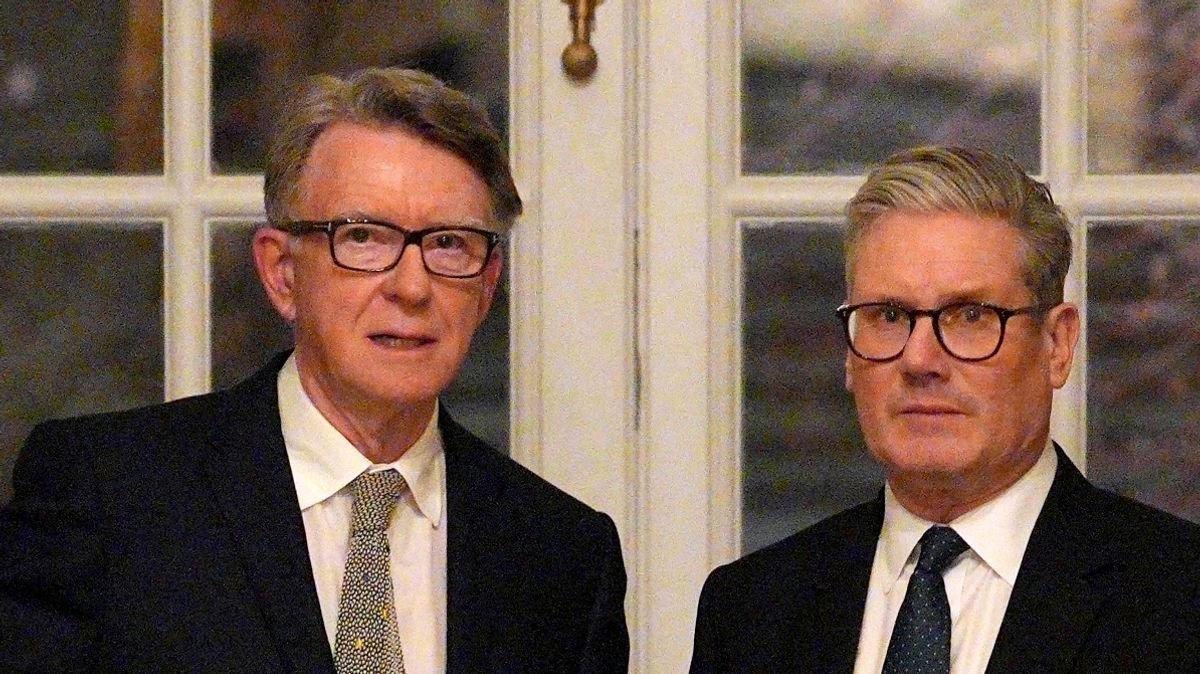

Keir Starmer faces impending political turmoil today as the Government readies to release a second batch of documents linked to the disgraced former US ambassador, Peter Mandelson. The extensive collection, exceeding 1,000 pages, is expected to unveil private exchanges between Mandelson and high-ranking ministers, although it won’t address serious security concerns or issues raised about his appointment.
This move follows the Prime Minister’s compliance with MPs’ demands to disclose information regarding Lord Mandelson’s 2024 appointment, amid inquiries about his vetting process and connections to Jeffrey Epstein. Starmer has expressed remorse to Epstein’s victims and accused the New Labour figure of deception.
The controversy has embroiled the government in recent months, provoking backlash from MPs and casting doubts on Starmer’s decision-making. A government spokesperson affirmed their commitment to full compliance with the disclosure request, emphasizing the substantial nature of the upcoming document release, aligning with established protocol for such disclosures.
The initial set of documents relating to Mandelson’s appointment was unveiled in March, shedding light on the £75,000 severance package granted to the Labour peer upon his dismissal as the UK’s ambassador to Washington.
Today’s document release is poised to be the second-largest submission to the House of Commons, trailing only the Chilcot report presented in 2016. Notably, the UK’s Iran inquiry concluded that the 2003 Iraq invasion, led by then-PM Tony Blair, was unwarranted due to flawed intelligence and premature military action.
The new dossier, comprising around 1,000 pages, will encompass a wealth of information, including electronic correspondences involving Mandelson and key officials. A Cabinet minister described the volume of data in the Mandelson files as unparalleled, underscoring the government’s commitment to transparency, despite concerns that certain details may be redacted to protect an ongoing police investigation.
According to sources cited by The Guardian, Mandelson was reportedly required to address commercial conflicts of interest before assuming the ambassadorial role, though similar assurances were not mandated for national security matters.