


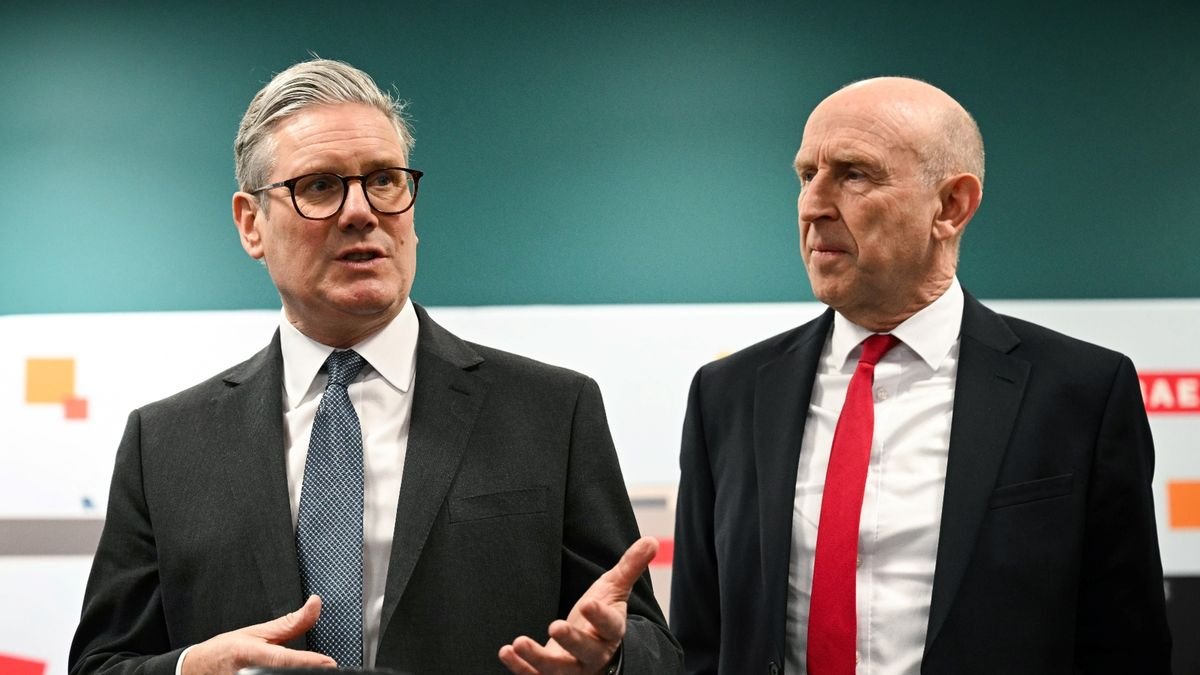

Keir Starmer’s administration faced a significant upheaval as two respected defense ministers resigned, criticizing the government’s military expenditure plans. The Prime Minister suffered a major setback with the unexpected departures of Defense Secretary John Healey and Armed Forces Minister Al Carns, who both raised concerns about insufficient defense funding. In response, ministerial aides Pamela Nash and Rachel Hopkins also resigned.
The government has been embroiled in a heated debate over financing the overdue Defense Investment Plan (DIP). Healey’s scathing resignation letter accused the Prime Minister of failing to challenge the Treasury’s reluctance to allocate the necessary funds for national defense. Business Secretary Peter Kyle defended the ongoing development of the DIP, emphasizing the importance of proper funding and modernization within the defense sector.
Amid the turmoil, Al Carns called for bold decisions from Sir Keir Starmer to secure adequate defense funding. He suggested reallocating resources by reforming welfare programs. Carns emphasized the need for transparency in addressing national security threats and making strategic financial decisions to support defense priorities.
Regarding potential leadership aspirations, Carns clarified that his resignation was driven by a sense of duty rather than personal ambition. He highlighted his commitment to public service and emphasized the critical juncture facing the United Kingdom.
As the government grapples with the fallout from the resignations, a new Defense Secretary, Dan Jarvis, has been appointed to address the challenges in defense spending. The ongoing debate over military funding sources underscores the necessity of responsible financial planning to sustain long-term defense capabilities.
Business Secretary Peter Kyle reaffirmed his support for Keir Starmer’s commitment to boosting defense spending responsibly. He stressed the importance of economic growth, job creation, and strategic investment in defense while acknowledging the complexity of balancing budget priorities.
In response to the resignations and criticisms, Starmer reiterated his dedication to delivering a substantial increase in defense spending to safeguard national security. He defended the government’s investment plans, emphasizing the importance of sustainable and fair budget allocations.
Chancellor Rachel Reeves acknowledged the economic impact of global conflicts on the UK economy, emphasizing the government’s efforts to maintain fiscal stability and support economic growth amid challenges. The ongoing discussions on defense spending highlight the need for prudent financial management and strategic planning to address national security needs effectively.