


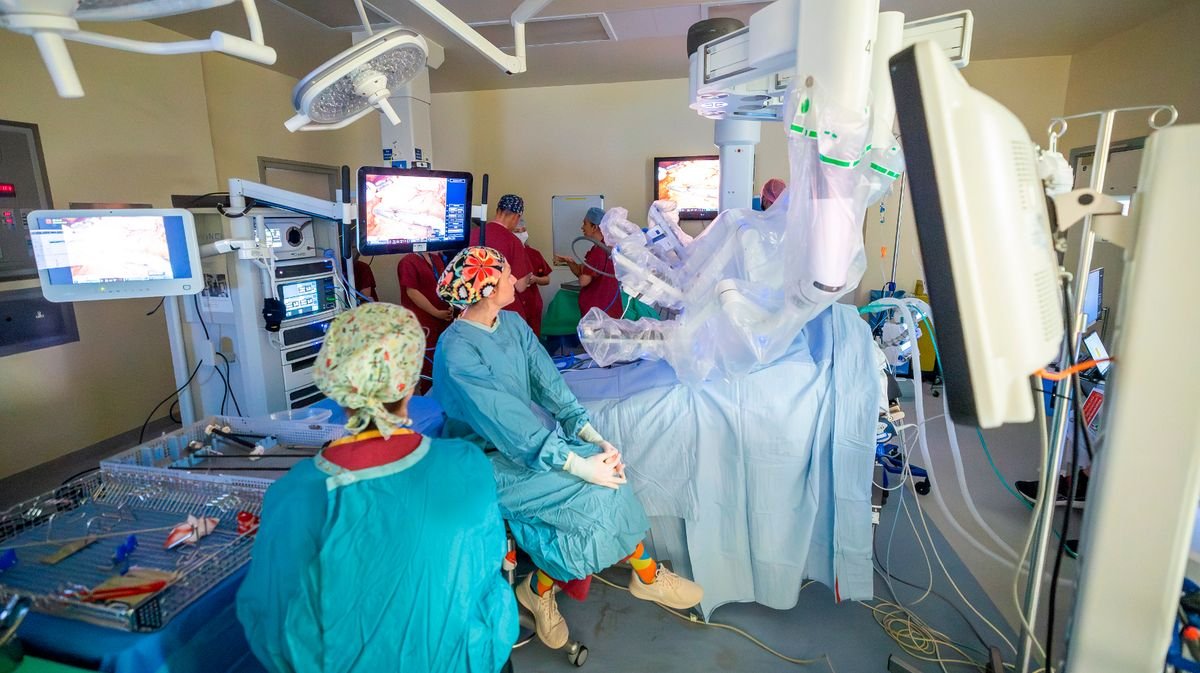

Hospitals are facing critical situations during the ongoing heatwave, with doctors raising concerns about the soaring temperatures inside outdated ward buildings reaching up to 35 degrees Celsius.
The Royal College of Physicians (RCP) has issued warnings regarding the risks posed to elderly patients due to overheating, as testing facilities struggle and essential equipment, such as cancer treatment machines, experience malfunctions.
A significant part of the country is currently experiencing temperatures ranging from the low to mid 30s Celsius, leading to disruptions in transportation services and the early closure of primary schools.
There is a possibility of breaking the UK’s June temperature record for the second consecutive day, with temperatures expected to climb as high as 37 or even 38 degrees Celsius on Thursday.
Both Queen Alexandra Hospital in Portsmouth and Norfolk and Norwich University Hospitals NHS Foundation Trust (NNUH) have declared “critical incidents.” The Norfolk trust is facing a shortage of operational MRI scanners, resulting in the cancellation of at least 254 outpatient appointments. Cooling systems at Queen Alexandra Hospital have also failed.
Dr. Hilary Williams, clinical vice-president of RCP, expressed concerns about older patients arriving at hospitals in distress or suffering from dehydration. Overcrowding, equipment issues, and challenges with essential services like kidney dialysis are jeopardizing patient care.
RCP has gathered feedback from doctors highlighting that outdated hospital infrastructure, particularly old Victorian buildings, is ill-equipped to handle extreme heat. A previous report indicated that 90% of NHS facilities lack proper mechanisms to deal with prolonged periods of high temperatures.
Following the need to reschedule appointments, East Surrey Hospital in Redhill declared a critical incident, which has since been resolved. Meanwhile, University College London Hospitals NHS Foundation Trust warned about the absence of air conditioning in some buildings, prompting the potential need for virtual patient consultations.
The Met Office has issued an extreme heat warning for several regions in the UK, with the highest red alert in place for specific areas until midnight on Thursday. Amber warnings, the second-highest level, will remain active in parts of England until Saturday.
Certain regions in central southern England, the Midlands, east and north-east Wales are expected to experience even hotter temperatures on Thursday compared to Wednesday and could surpass the record set the previous day in Gosport.
The UK Health Security Agency has issued a rare heat-health red alert for six regions, acknowledging that even healthy individuals are at risk, particularly as hospitals struggle to cope with increased demand during the intense heat, especially affecting the elderly.
Dr. Williams emphasized the complexities hospitals face during heatwaves, highlighting the challenges with implementing simple solutions like fans due to safety risks and the need for broader systemic changes to enhance infrastructure resilience within the NHS.
Efforts to safeguard patients include reviewing medications affecting hydration and ensuring proper storage. However, a broader transformation is necessary to fortify hospital infrastructure against extreme weather conditions, ensuring the safety of patients and staff during challenging circumstances.