


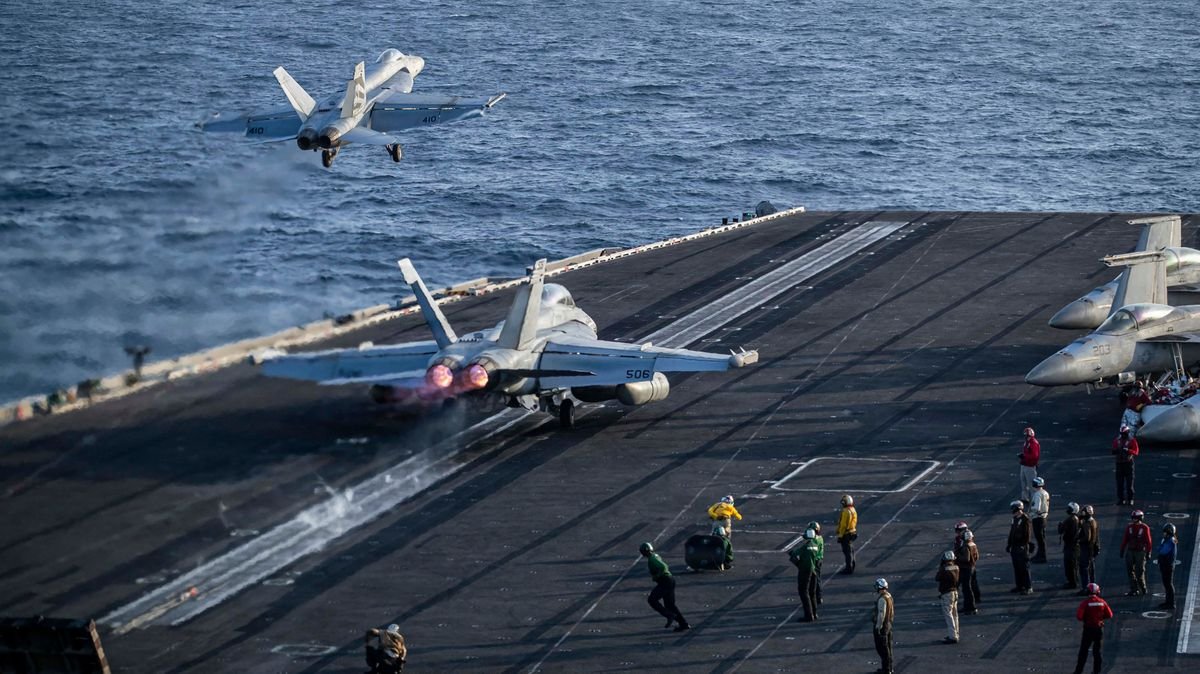

The recent conflict between the United States and Iran, orchestrated by President Donald Trump, has had far-reaching consequences on global politics, diplomacy, and warfare strategies. The operation, known as Epic Fury, has been estimated to cost the global economy over £1 trillion, with the UK suffering £4 billion in fuel price increases directly impacting its drivers. The conflict has resulted in numerous casualties and injuries primarily in Iran and Lebanon, but also affecting Iraq, Israel, and the Gulf States.
The erratic nature of Trump’s decisions, such as the sudden shifts in military actions and negotiations, has severely damaged trust in American diplomacy. Despite repeated assurances from Trump that no attacks would occur, the reality painted a different picture. Following a series of broken promises and failed negotiations, a surprising “memorandum of understanding” brokered by Pakistan has now led to an immediate cessation of military activities between the US and Iran.
This memorandum outlines plans to reopen the Strait of Hormuz, ease sanctions, and initiate further discussions on nuclear concerns. However, the resolution does not come without costs, as it was Trump’s initial actions that led to the strait’s closure and exacerbated economic sanctions on Iran. The broader implications of the conflict, including the loss of lives, geopolitical instability, and potential future conflicts, highlight the significant repercussions of Trump’s decisions on global affairs.
Trump’s misguided approach to the situation, driven by personal animosity towards former President Barack Obama and his policies, ultimately led to the abandonment of the Joint Comprehensive Plan of Action (JCPOA) in 2015. This agreement, aimed at limiting Iran’s nuclear capabilities, provided a framework for monitoring Iran’s nuclear activities. The new memorandum now necessitates intense negotiations and addresses the reopening of critical waterways, aiming to resolve issues that arose from the conflict.
Despite assurances from both sides that Iran will refrain from developing nuclear weapons, challenges remain in ensuring compliance and preventing further escalations. Trump’s false claims about Iran’s nuclear capabilities and the complexities of regional dynamics, particularly involving Israel and Hezbollah, add layers of complexity to reaching a lasting resolution.
As negotiations progress, demands for financial reparations and strategic concessions underscore the intricate nature of resolving conflicts in the Middle East. The path to achieving sustainable peace and preventing further destabilization in the region remains uncertain, as the aftermath of Trump’s actions continues to reverberate across global politics.